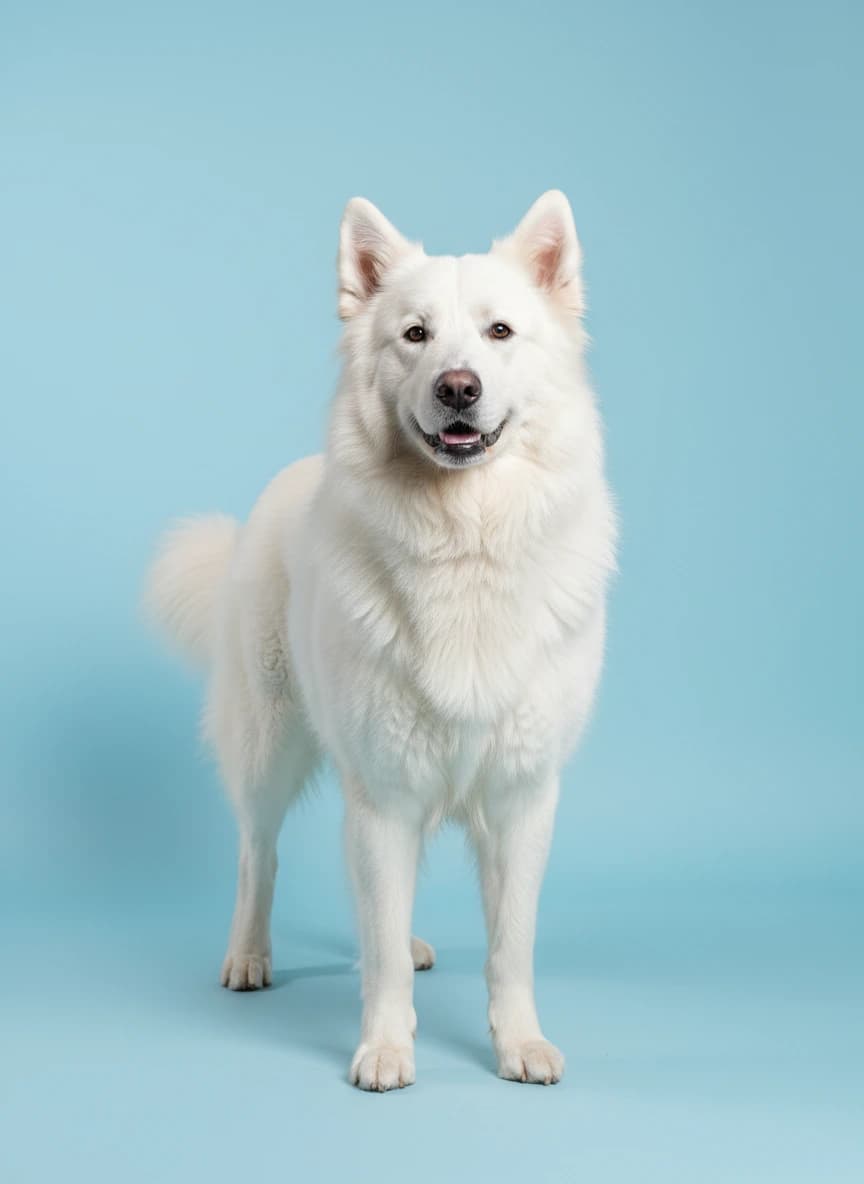
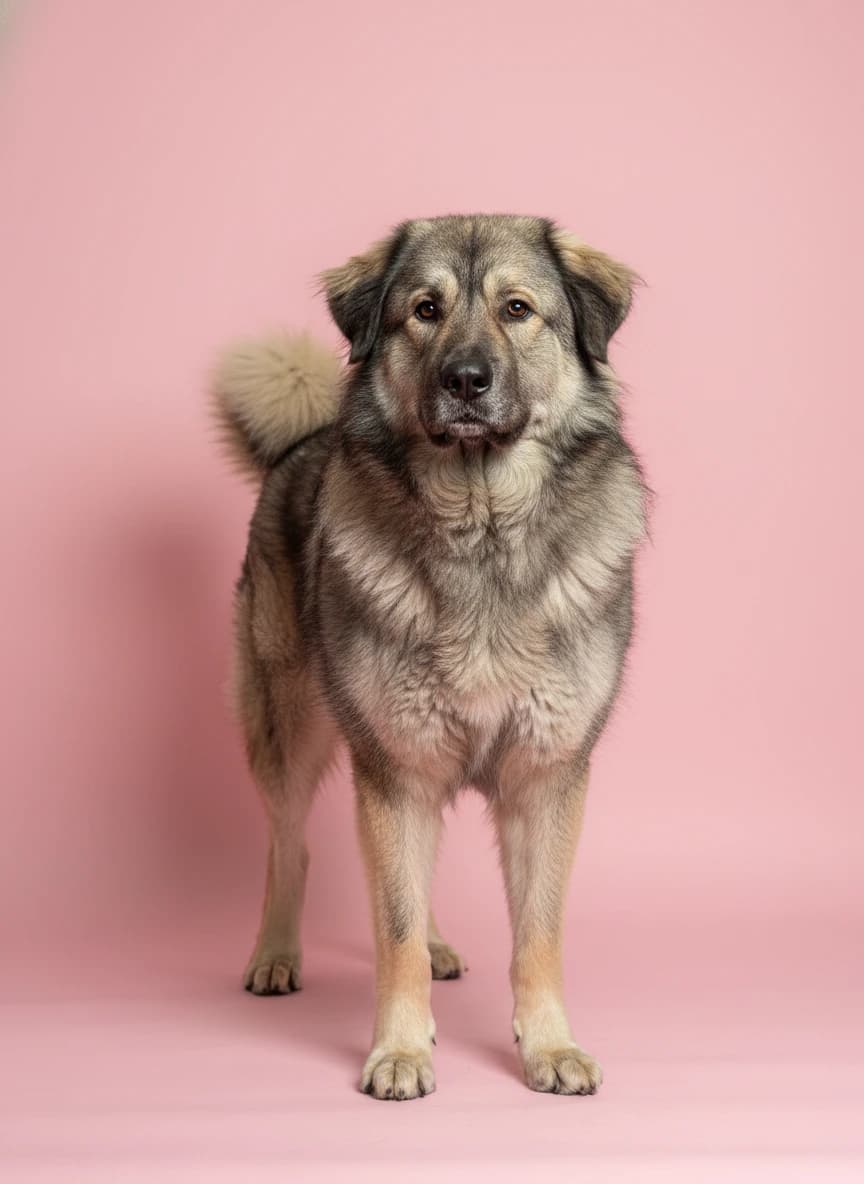
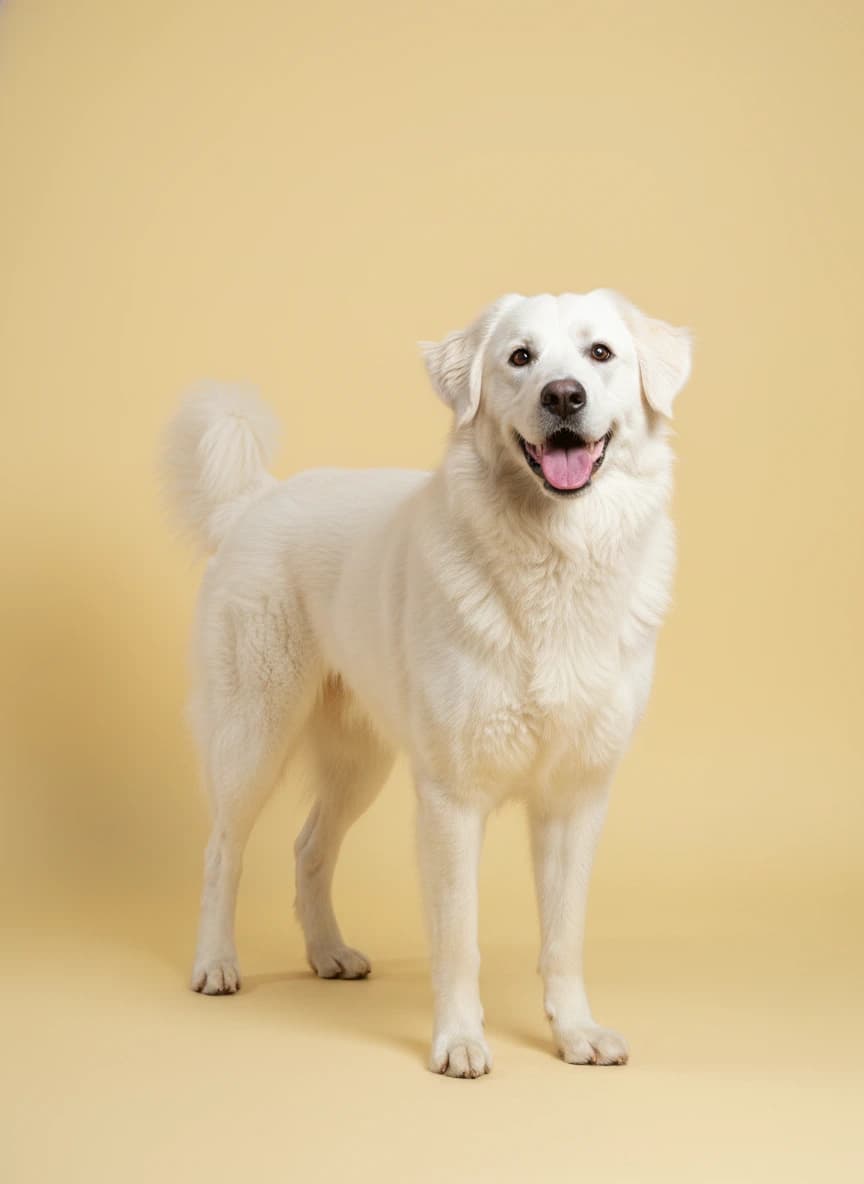
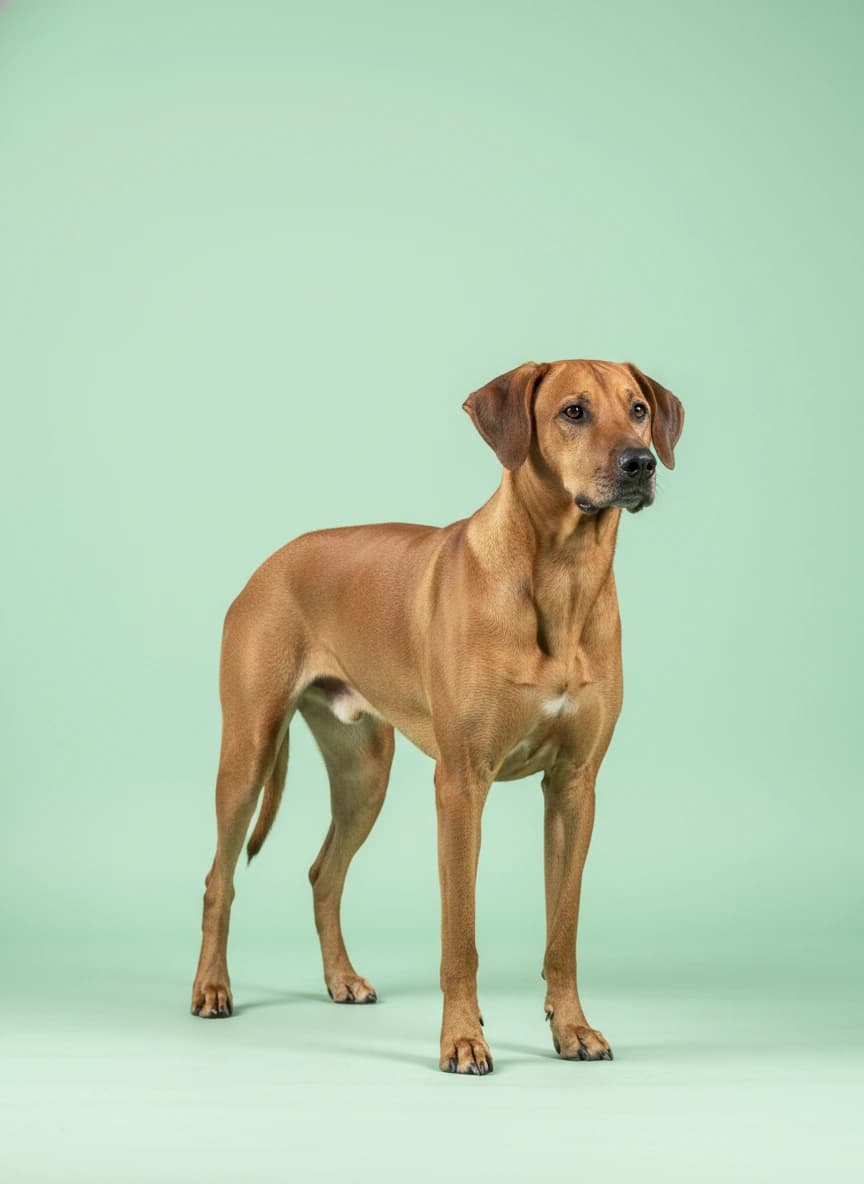
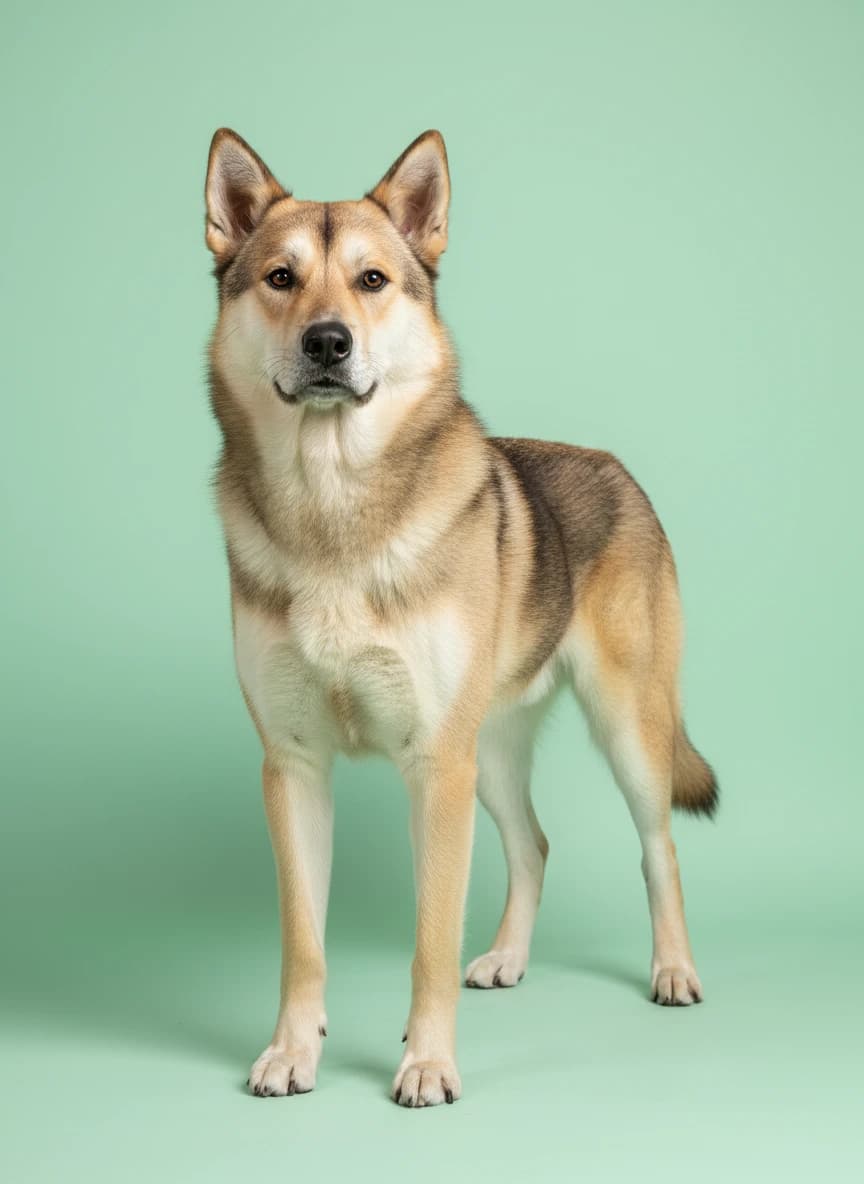
Auch bekannt als: Kraški Ovčar, Karst Sheepdog, Istrian Sheepdog

Slowenien
Der Karst Shepherd ist ein treuer, schützender Beschützer mit goldener Seele. Diese wachsamen Hunde bauen tiefe Bindungen zu ihren Familien auf und behandeln sie als ihre wertvollste Herde. Sie besitzen stilles Selbstvertrauen, sind immer aufmerksam und bereit, auf ungewöhnliches hinzuweisen. Obwohl sie im Haus reifer sind, im Allgemeinen ruhig, bedeutet ihr angeborener Drang zu patrouillieren und zu schützen, dass sie mit ausreichend Platz und einem sicheren Garten gedeihen. Sie sind keine Hunde für beiläufige Bekannte; ihre Zuneigung ist ihrem engsten Kreis vorbehalten, und sie können gegenüber Fremden misstrauisch sein. Ihre unabhängige Natur bedeutet, dass konsequentes, positives Training erforderlich ist, um ihre beachtliche Intelligenz zu kanalisieren.
Häufige Probleme
Empfohlene Untersuchungen
Frag deine vertraute Tierarztpraxis nach einem Rat, der zu deinem Hund passt.
The Karst Shepherd is fundamentally a protective and loyal guardian breed, deeply devoted to their family unit. These dogs tend to be calm and composed in familiar home environments, particularly as they mature. They possess a quiet confidence paired with a naturally observant demeanor, remaining alert to their surroundings and inclined to signal when anything unusual occurs. Their independent streak reflects their heritage as working scenthounds, and they typically reserve their warmth and affection for their immediate family circle. Strangers may find these dogs cautious and aloof rather than immediately welcoming, as their protective instincts often supersede sociability with unfamiliar people.
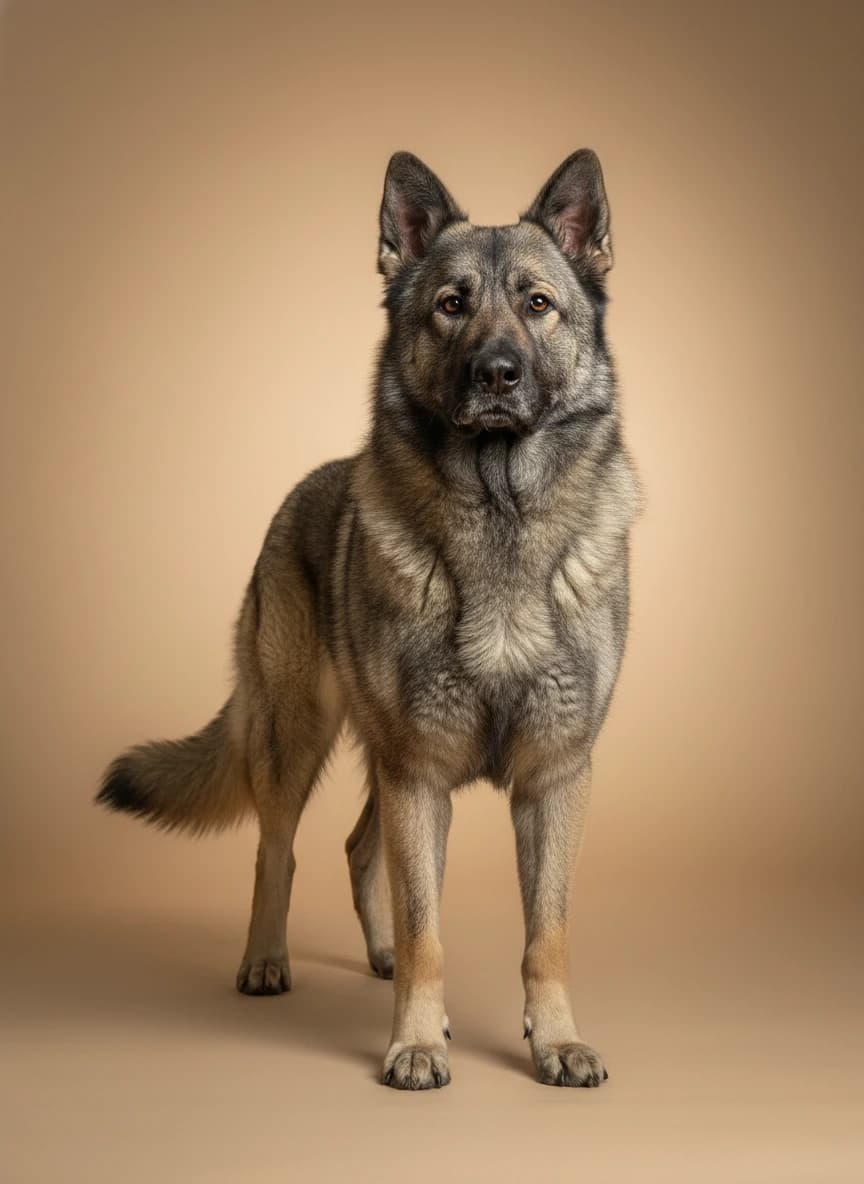
Karst Shepherds benefit from moderate daily exercise that engages both body and mind. Their independent nature means they respond best to consistent, positive reinforcement-based training rather than harsh corrections. These intelligent dogs can be stubborn, requiring patient handlers who establish clear leadership without relying on dominance. Early socialization and ongoing obedience work help channel their protective instincts constructively. Mental stimulation through scent work or problem-solving activities tends to satisfy their ancestral working drive as effectively as purely physical exercise. Owners should expect to invest time in training throughout the dog's life to maintain good behavior and manage their guarding tendencies.
Karst Shepherds have moderate grooming needs typical of double-coated working breeds. Regular brushing helps manage shedding and keeps their coat healthy. Their pendulous ears require periodic attention and cleaning to reduce the risk of ear infections, a concern more common in dogs with this ear structure. Routine nail trimming, dental care, and general hygiene practices support overall health. During shedding seasons, more frequent brushing may be necessary to control loose hair.
These dogs are suited to house living provided they have adequate space and secure outdoor access. Their ancestral role as herding and guarding dogs means they possess a strong urge to patrol and protect their territory, making a securely fenced yard important. They tend to be relatively calm indoors once mature, though they remain naturally vigilant. Karst Shepherds form their deepest bonds within their family group and are not naturally suited to frequent interaction with casual acquaintances. Their protective nature means they may be reserved or wary in households with constant visitors or changes in routine.
The Karst Shepherd is best suited to experienced dog owners who understand guardian breeds and can commit to consistent training and socialization. They thrive with owners who appreciate their loyalty and independence rather than seeking an eager-to-please companion dog. These dogs do well in homes with adequate space and a secure yard, and they flourish when given a clear role and structure. They are not ideal for first-time owners or households seeking a highly social, outwardly friendly pet. Prospective owners should be prepared for a dog that bonds deeply with family but remains cautious of outsiders, and who requires patient, ongoing training to ensure their protective instincts remain well-managed.