Havanese
También conocida como: Bichon Havanês, Perro de la Habana, Bichón Cubano
 Cuba
- Esperanza de vida
- 14-16 a
- Peso
- 3-6 kg
- Ejercicio
- Bajo
Perfil de la raza
- Tamaño
- Pequeño
- Tipo de raza
- Pura raza
- Entrenabilidad
- Moderado
- Aseo
- Varía
Descripción
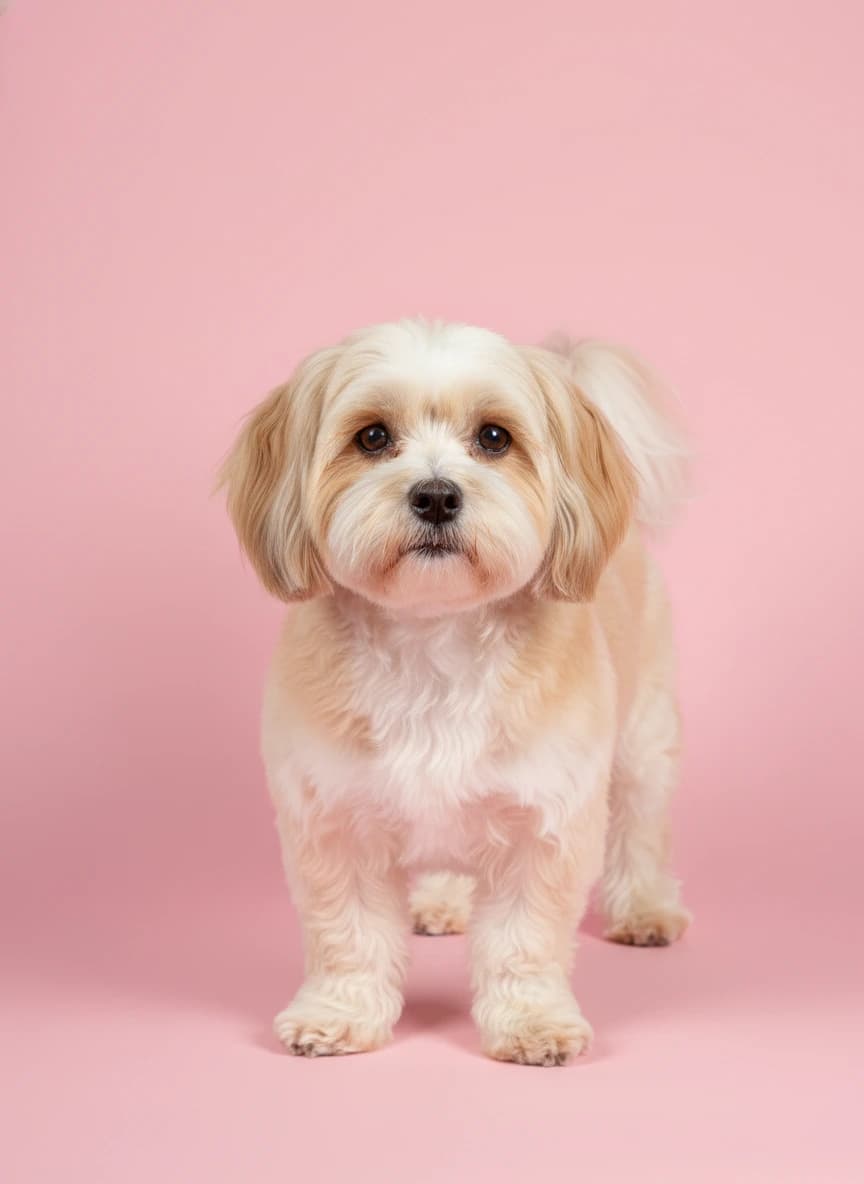
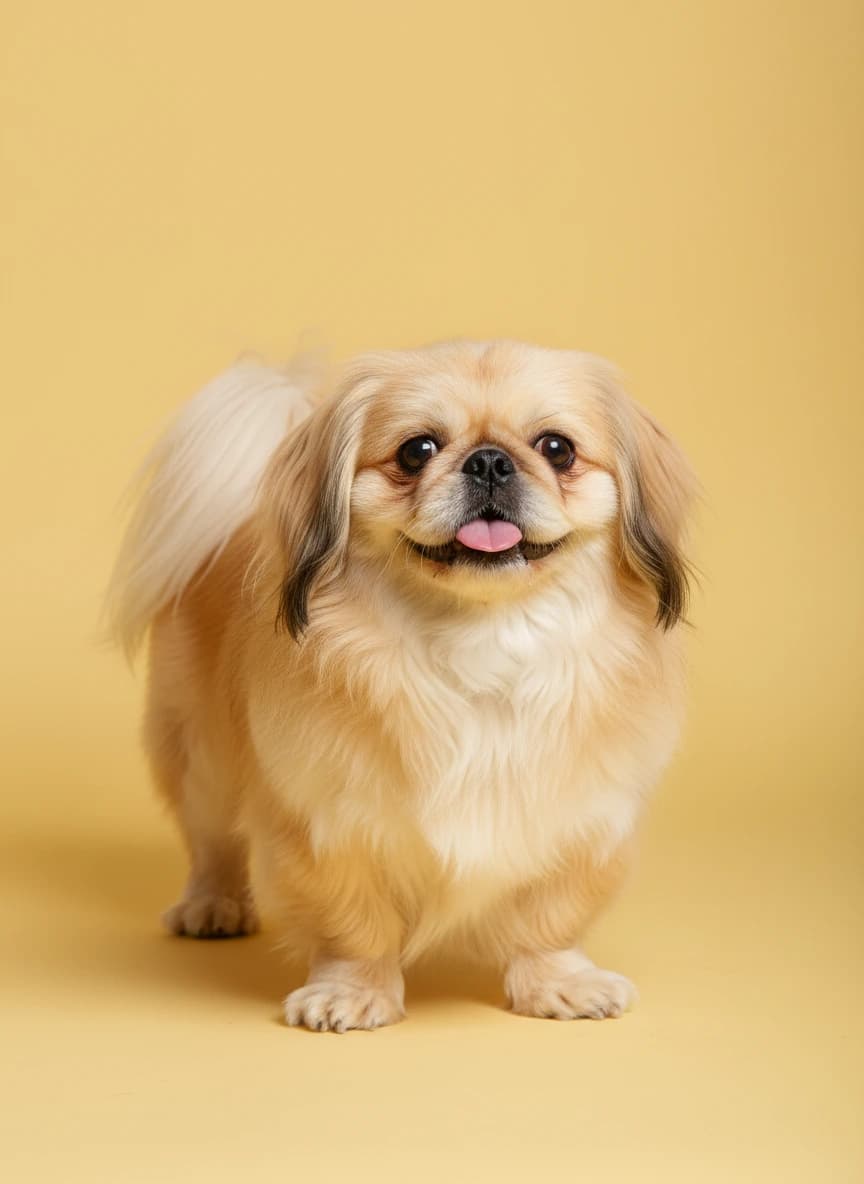
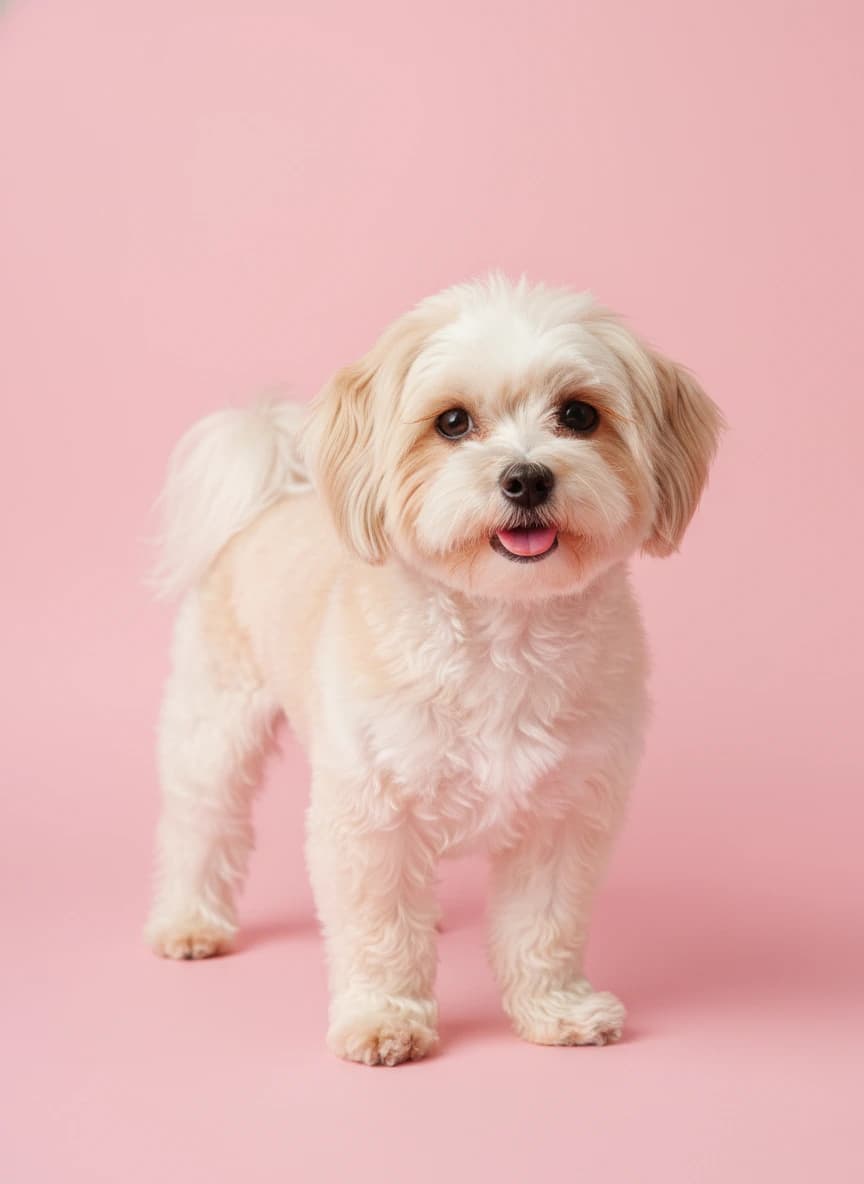
El Havanese es un torbellino delicioso de encanto afectuoso, un verdadero "perro de velcro" que vive por la presencia de su familia. Estos pequeños comediantes prosperan con la interacción, a menudo realizando travesuras tontas y un juguetón "salto havanero" para arrancar sonrisas. Forman vínculos increíblemente fuertes, siguiendo a sus humanos favoritos de habitación en habitación, ansiosos por participar en cada actividad. A pesar de su pequeño tamaño, poseen un espíritu sorprendentemente robusto y juguetón, siempre listos para un juego pero igualmente contentos de acurrucarse. Su inteligencia y disposición para complacer los hacen altamente entrenables, aunque pueden desarrollar una vena traviesa si no reciben suficiente estimulación mental y compañía. Vivir con un Havanese significa compañía constante, movidas interminables y una pequeña sombra constante que ilumina incluso los días más grises.
Salud
Problemas frecuentes
- Luxación rotuliana
- Colapso traqueal
- Enfermedad dental
- Trastornos oculares
Revisiones recomendadas
- Examen rotuliano
- Examen oftalmológico (CAER)
- Cuidado dental rutinario
Consulta a tu vet de confianza para un consejo específico de tu perro.
Temperamento y personalidad
The Havanese is known for their alert, loyal, and trainable nature. These small dogs are often called "velcro dogs" due to their strong attachment to their families, typically shadowing their favorite humans from room to room. They tend to be affectionate and playful, with a joyful spirit and a tendency toward silly antics. While they form deep bonds with their people and are eager to please, they may develop mischievous behaviors if they lack sufficient mental stimulation and companionship. Their alert disposition means they often respond vocally to their environment.