Havanese
Aussi connue sous le nom: Bichon Havanês, Chien de Havane, Bichon cubain
 Cuba
- Espérance de vie
- 14-16 a
- Poids
- 3-6 kg
- Exercice
- Faible
Profil de la race
- Taille
- Petit
- Type de race
- Race pure
- Éducabilité
- Modéré
- Toilettage
- Variable
Description
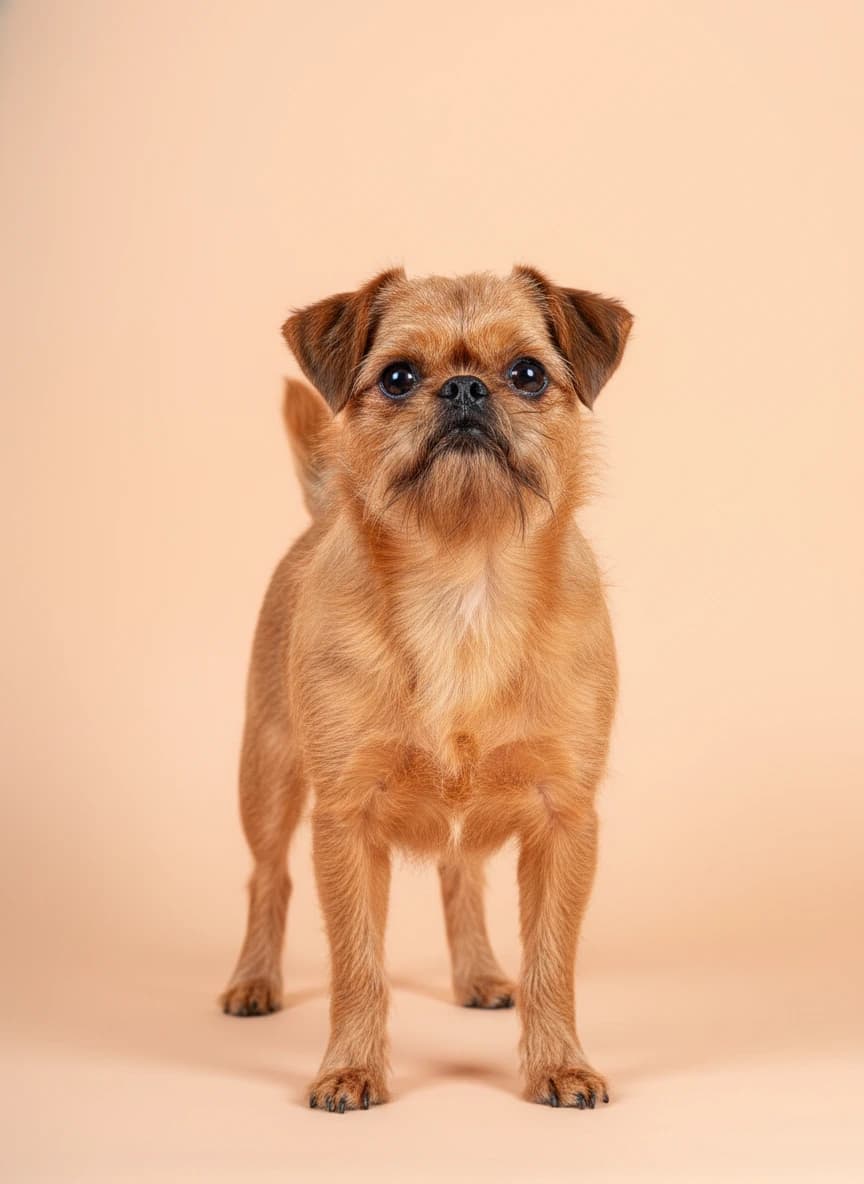
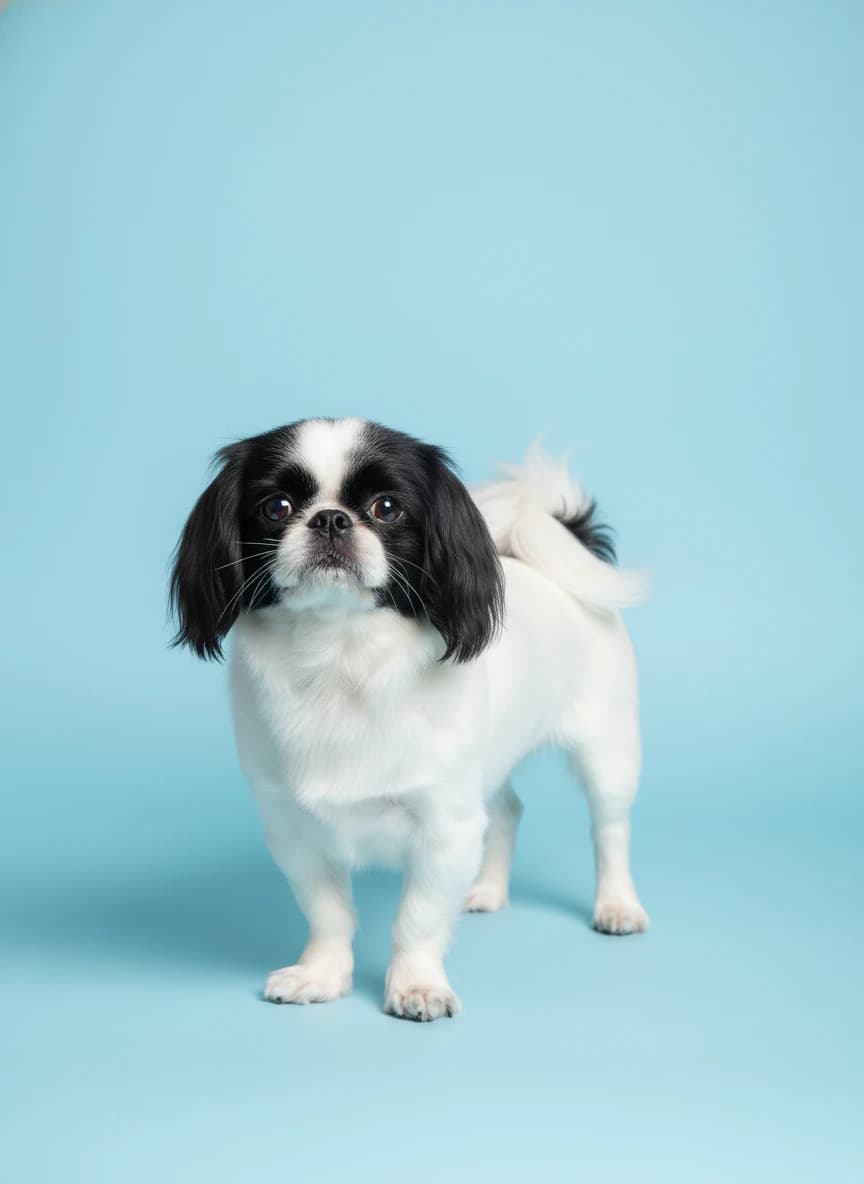
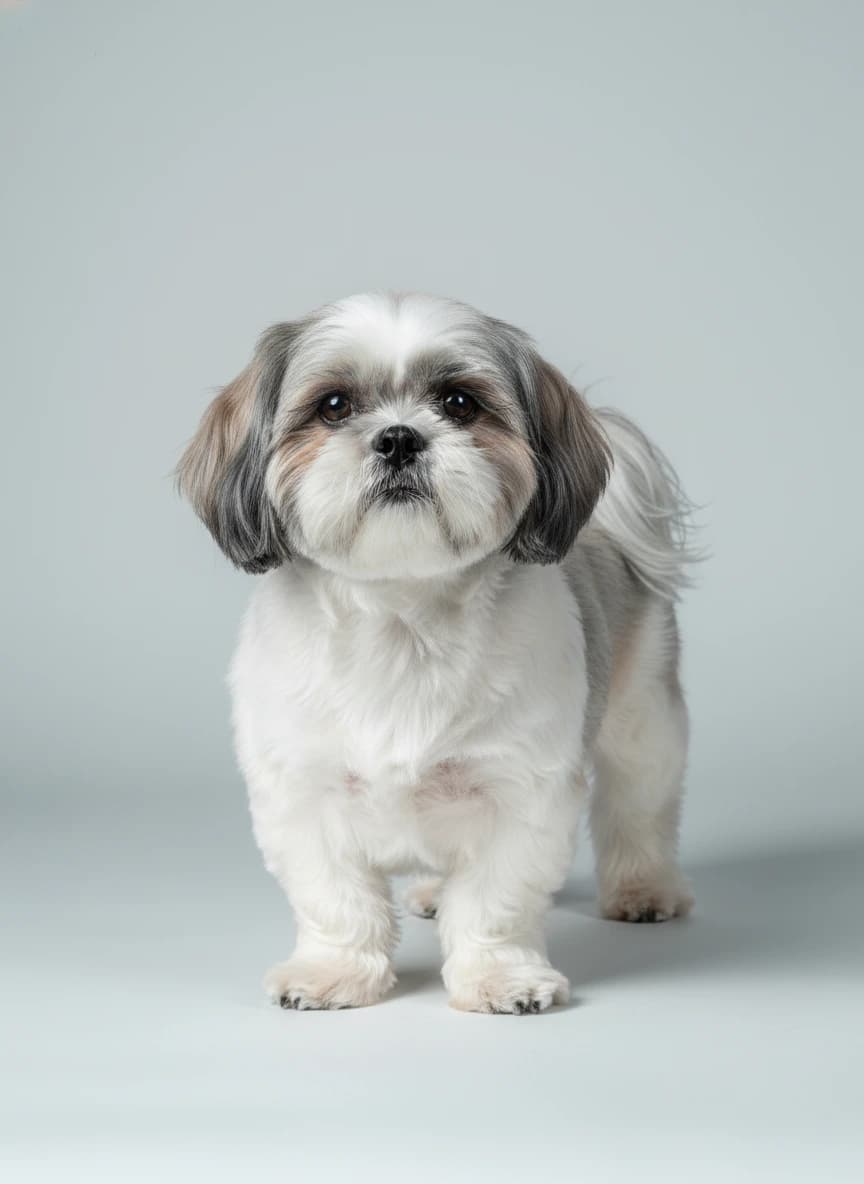
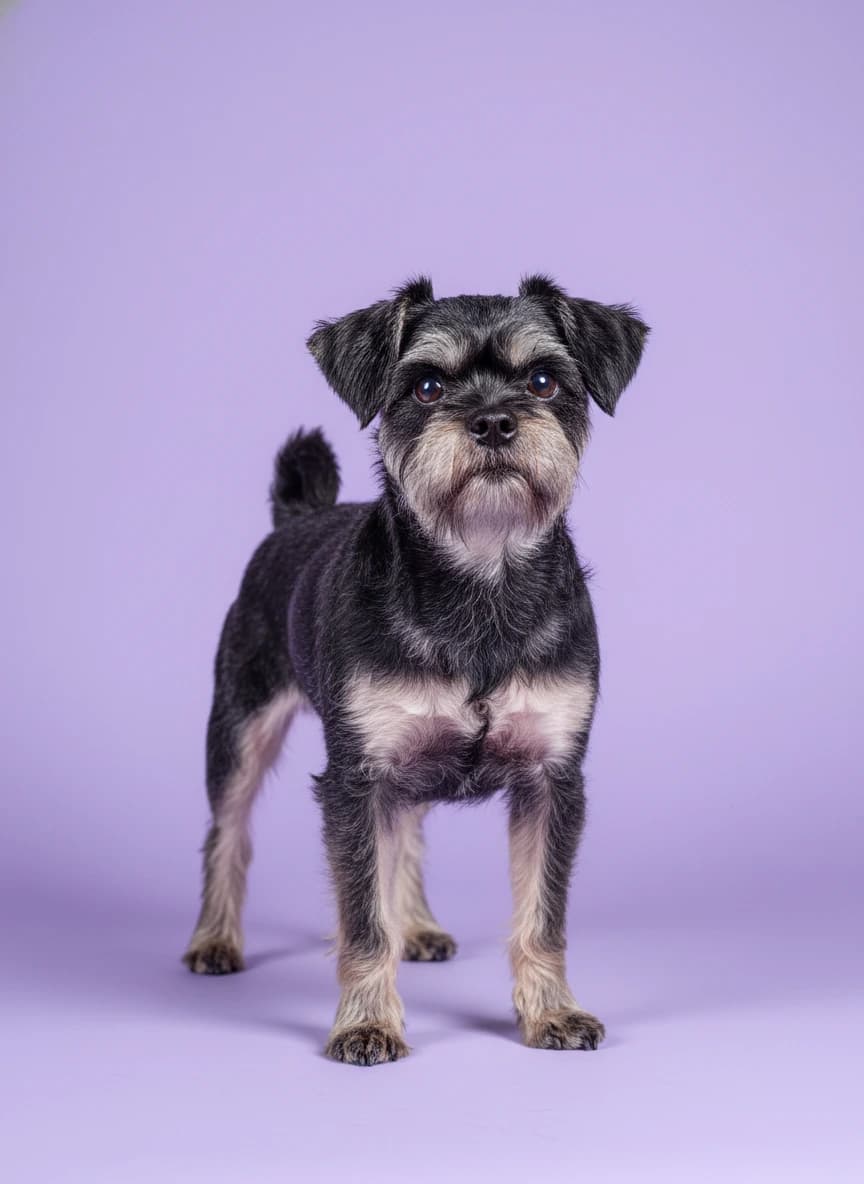
Le Havanese est un tourbillon délicieux de charme affectueux, un véritable « chien velcro » qui vit pour la présence de sa famille. Ces petits comédiens s'épanouissent dans l'interaction, exécutant souvent des pitreries amusantes et un joyeux « saut havanais » pour arracher des sourires. Ils forment des liens incroyablement forts, suivant leurs humains préférés de pièce en pièce, impatients d'être inclus dans chaque activité. Malgré leur petite taille, ils possèdent un esprit surprenamment robuste et ludique, toujours prêts pour un jeu mais tout aussi contents de se blottir. Leur intelligence et leur désir de plaire les rendent hautement dressables, bien qu'ils puissent développer une tendance espiègle s'ils ne reçoivent pas suffisamment de stimulation mentale et de compagnie. Vivre avec un Havanese signifie une compagnie constante, des queues qui s'agitent sans fin, et une petite ombre fidèle qui égaie les jours les plus mornes.
Santé
Problèmes fréquents
- Luxation de la rotule
- Effondrement trachéal
- Maladie dentaire
- Troubles oculaires
Examens recommandés
- Examen de la rotule
- Examen oculaire (CAER)
- Soins dentaires réguliers
Consulte ton vétérinaire de confiance pour un conseil propre à ton chien.
Tempérament et personnalité
The Havanese is known for their alert, loyal, and trainable nature. These small dogs are often called "velcro dogs" due to their strong attachment to their families, typically shadowing their favorite humans from room to room. They tend to be affectionate and playful, with a joyful spirit and a tendency toward silly antics. While they form deep bonds with their people and are eager to please, they may develop mischievous behaviors if they lack sufficient mental stimulation and companionship. Their alert disposition means they often respond vocally to their environment.