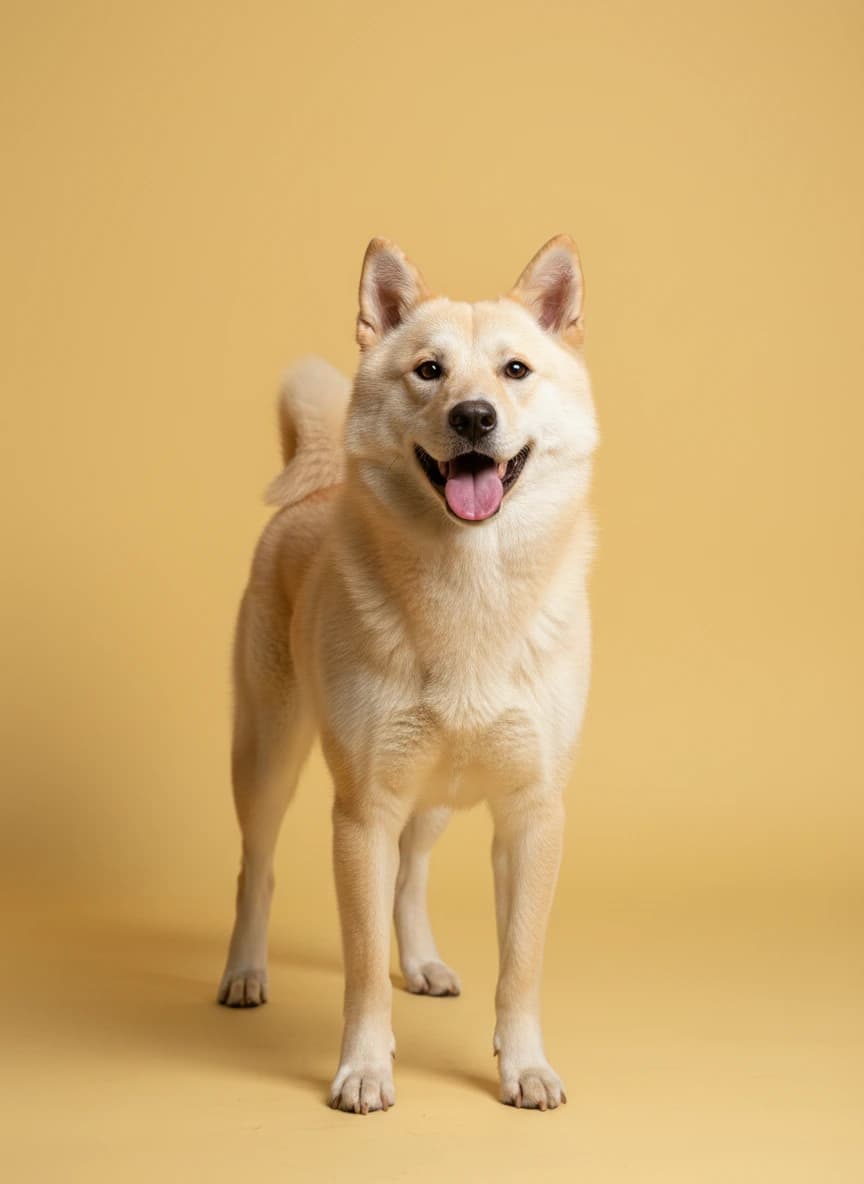
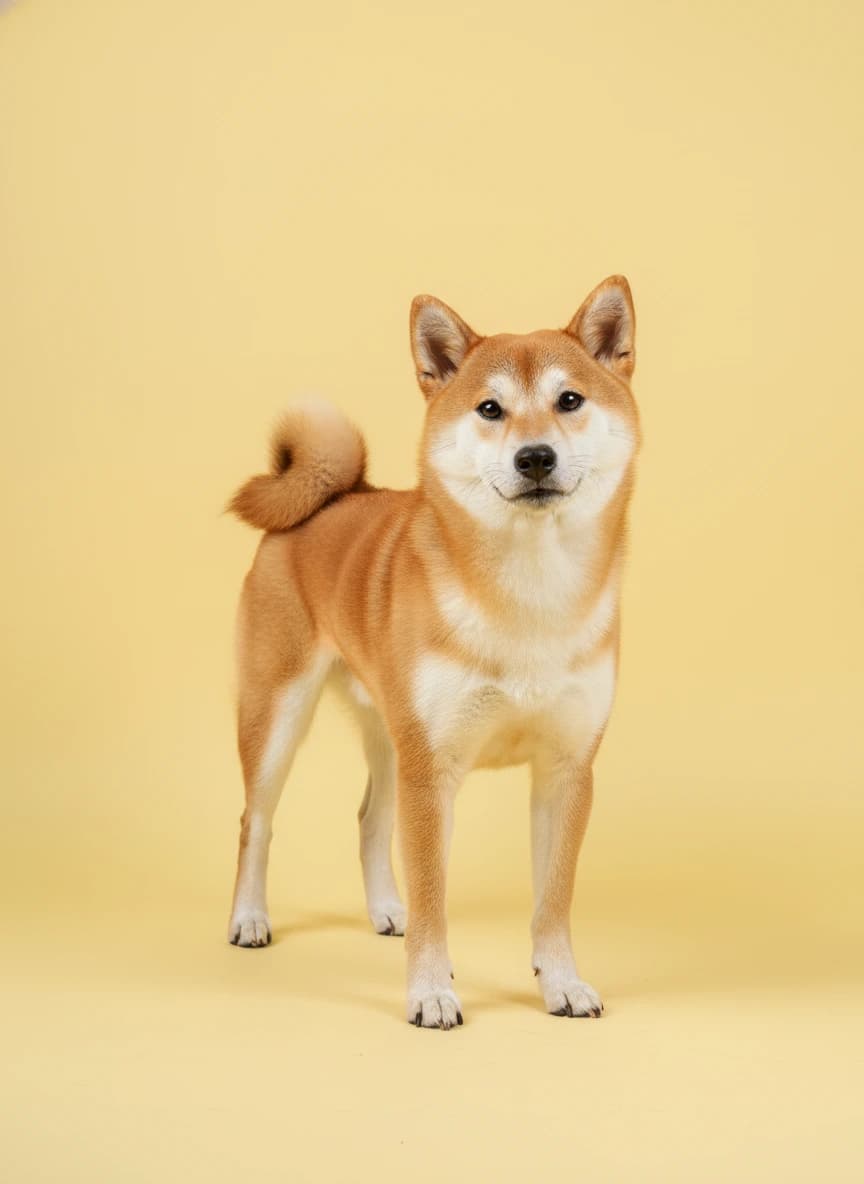
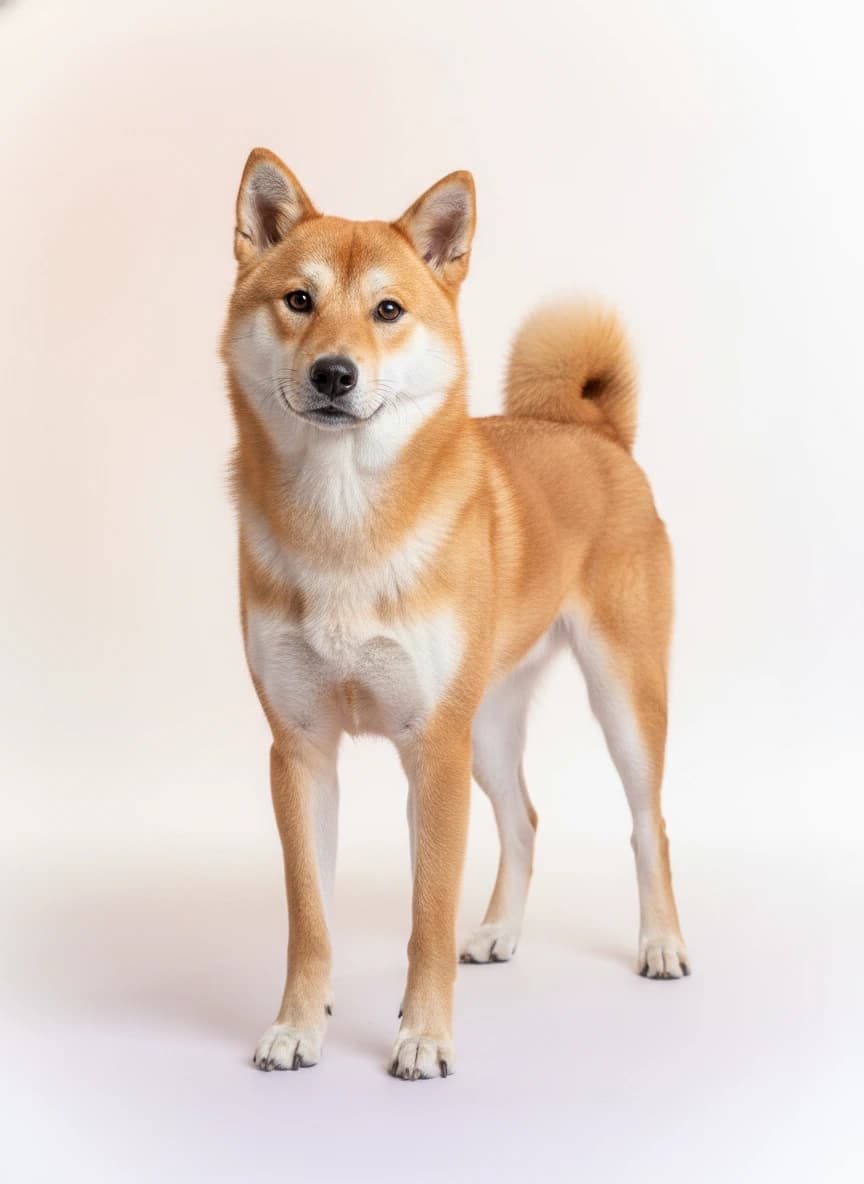
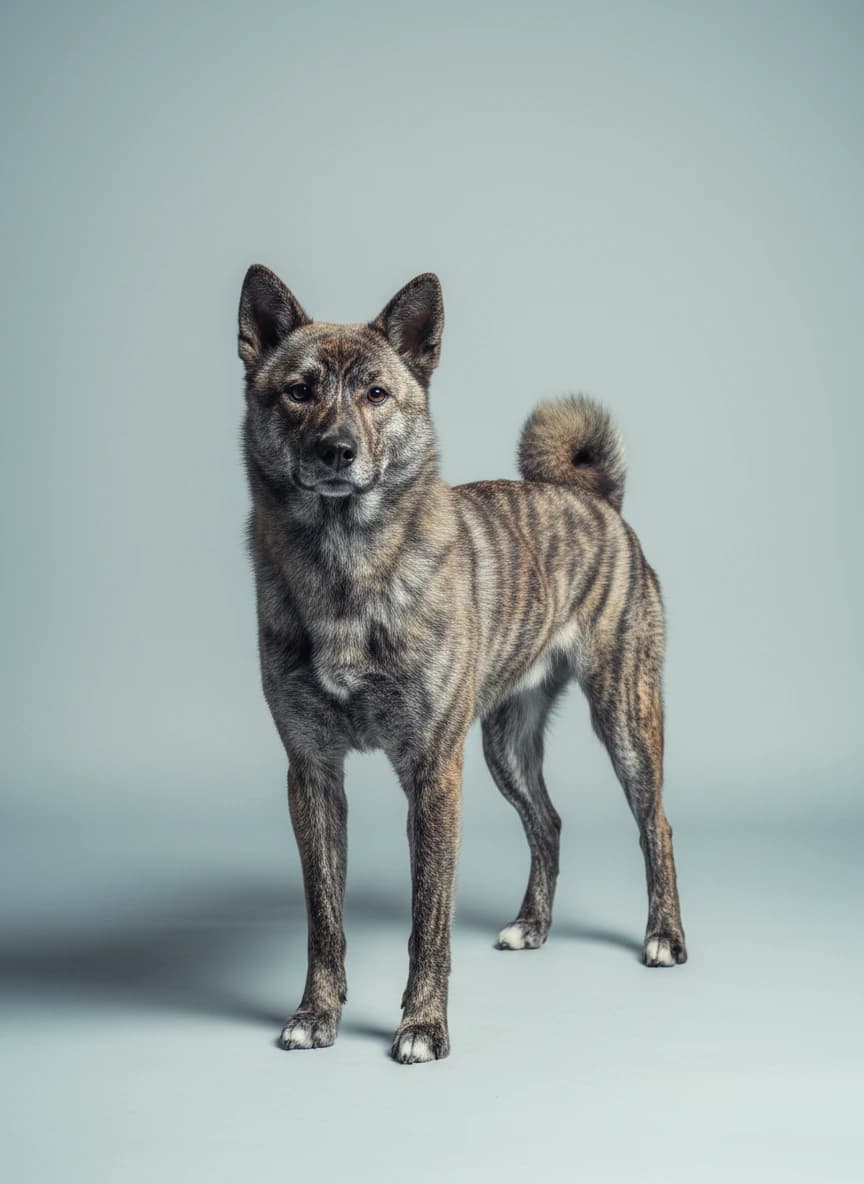
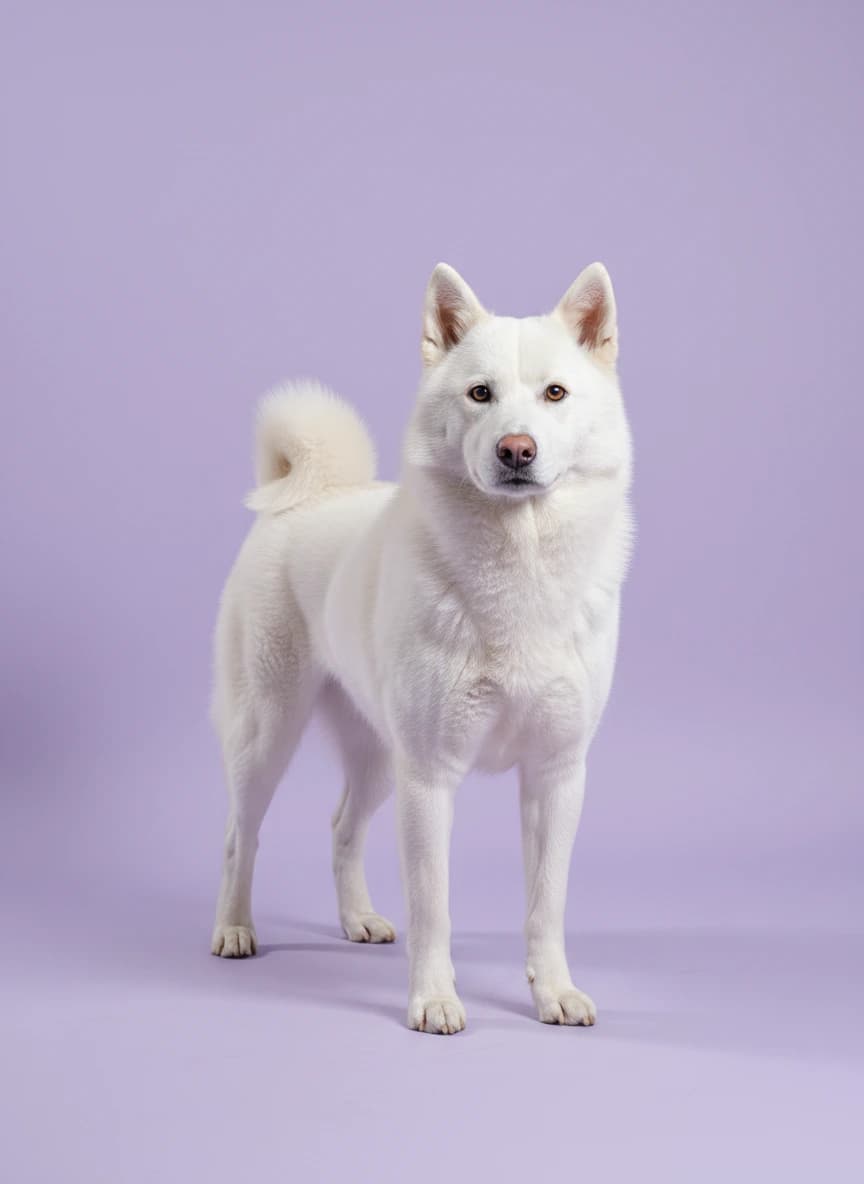
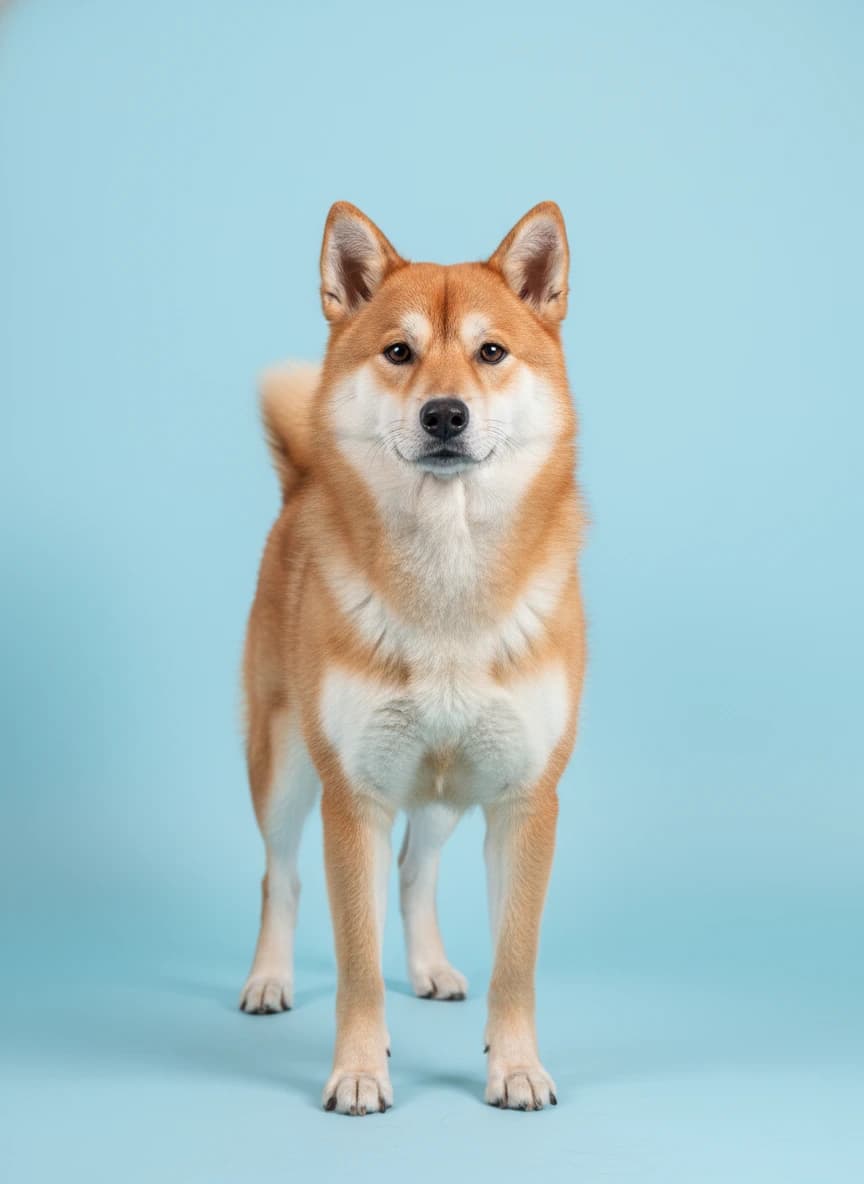
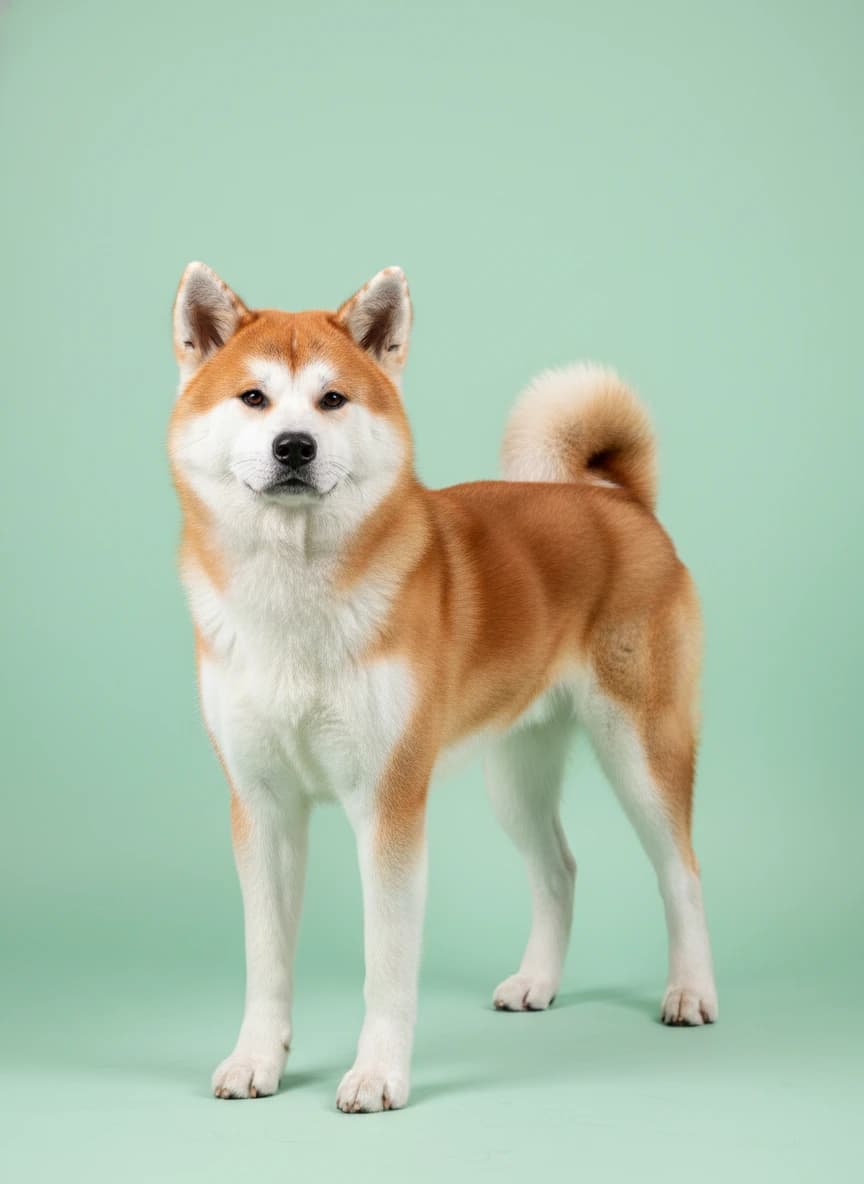
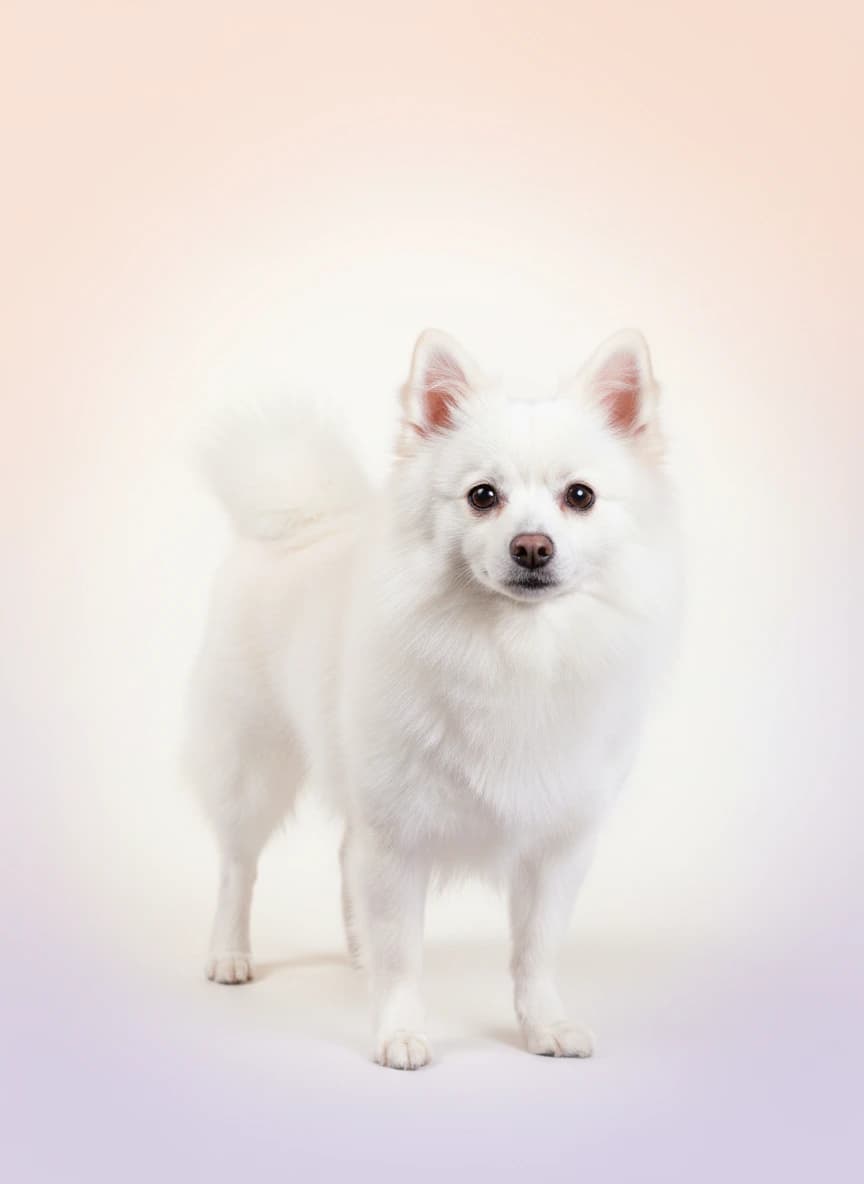
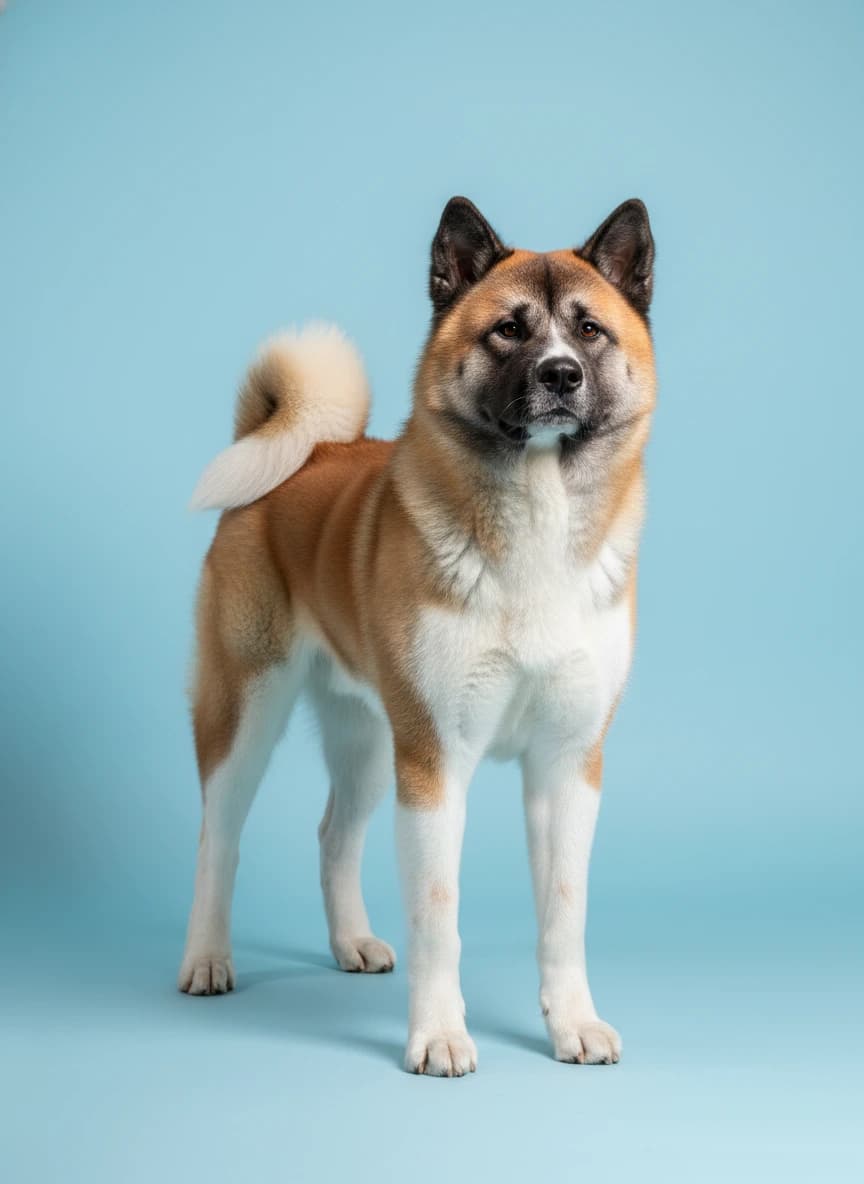
Jindo Coreano
También conocida como: Jindo, Perro Jindo, Chindo, Jindo Gae
 Corea del Sur
- Esperanza de vida
- 12-14 a
- Peso
- 15-23 kg
- Ejercicio
- Alto
Perfil de la raza
- Tamaño
- Mediano
- Tipo de raza
- Pura raza
- Entrenabilidad
- Moderado
- Aseo
- Moderado
Descripción
El Jindo es un compañero fieramente leal, un verdadero perro de "una sola persona" que se vincula profundamente con su humano elegido. Sus antiguos instintos de caza significan que son increíblemente inteligentes e independientes, a menudo ideando sus propias soluciones a los problemas. Los propietarios notarán una limpieza sutil, casi felina, y su alta pulsión de presa significa que los arrebatos repentinos y silenciosos persiguiendo ardillas son una ocurrencia común. Aunque devotos, no son demostradores excesivos; su afecto se muestra a través de una presencia tranquila y protección inquebrantable. Prosperan con un entrenamiento consistente y un trabajo que hacer; de lo contrario, su inteligencia puede llevar a travesuras.
Salud
Problemas frecuentes
- Tiroiditis autoinmune
- Displasia de cadera
Revisiones recomendadas
- Caderas (OFA/FCI)
- Panel tiroideo
Consulta a tu vet de confianza para un consejo específico de tu perro.
Temperamento y personalidad
The Korean Jindo is known for fierce loyalty and a strong bond with their chosen person, displaying a "one-person" dog tendency. These dogs carry ancient hunting instincts that shape their behavior—they are remarkably intelligent and independent, often solving problems on their own initiative. Jindos tend to be reserved and not overtly demonstrative with affection; instead, they show devotion through quiet presence and protective vigilance. Their alertness and independent nature mean they think for themselves, which can be both an asset and a challenge. Many owners notice an almost cat-like cleanliness about the breed.