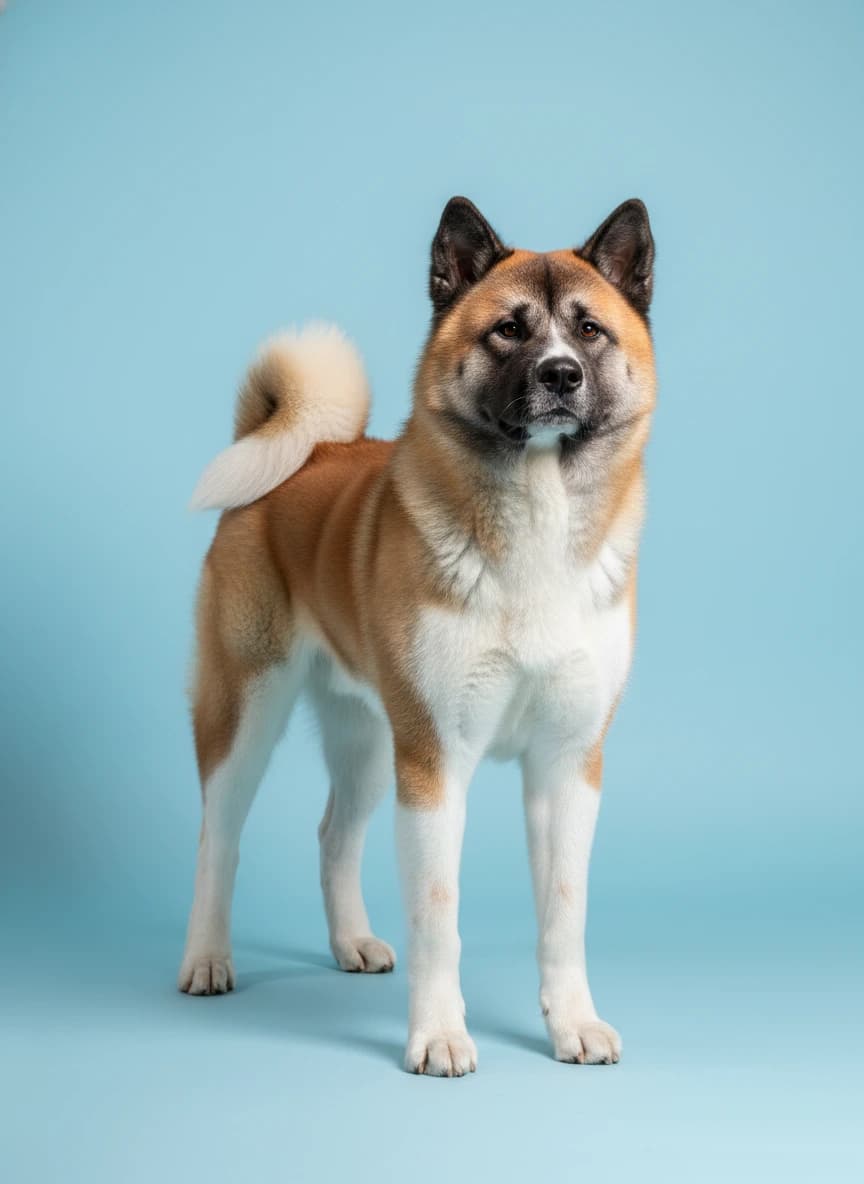
Jindo coréen
Aussi connue sous le nom: Jindo, Chien Jindo, Chindo, Jindo Gae
 Corée du Sud
- Espérance de vie
- 12-14 a
- Poids
- 15-23 kg
- Exercice
- Élevé
Profil de la race
- Taille
- Moyen
- Type de race
- Race pure
- Éducabilité
- Modéré
- Toilettage
- Modéré
Description
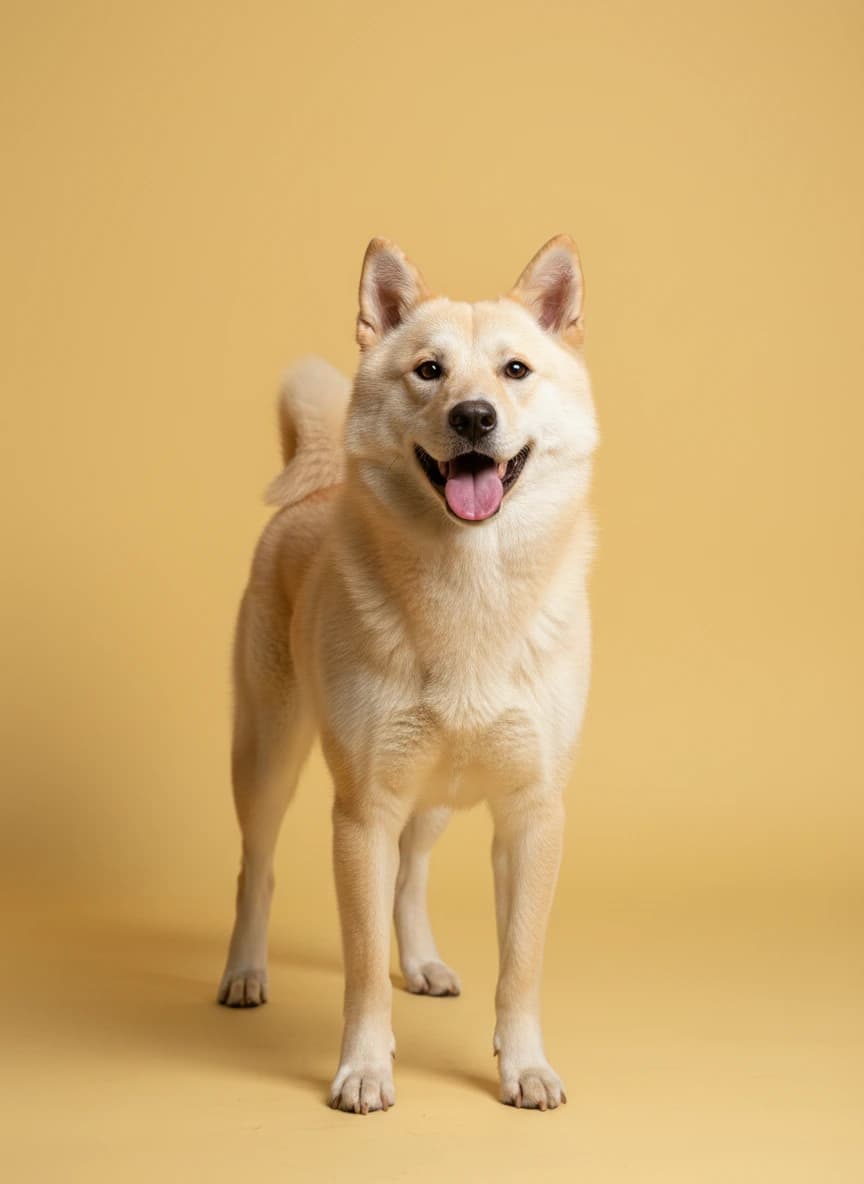
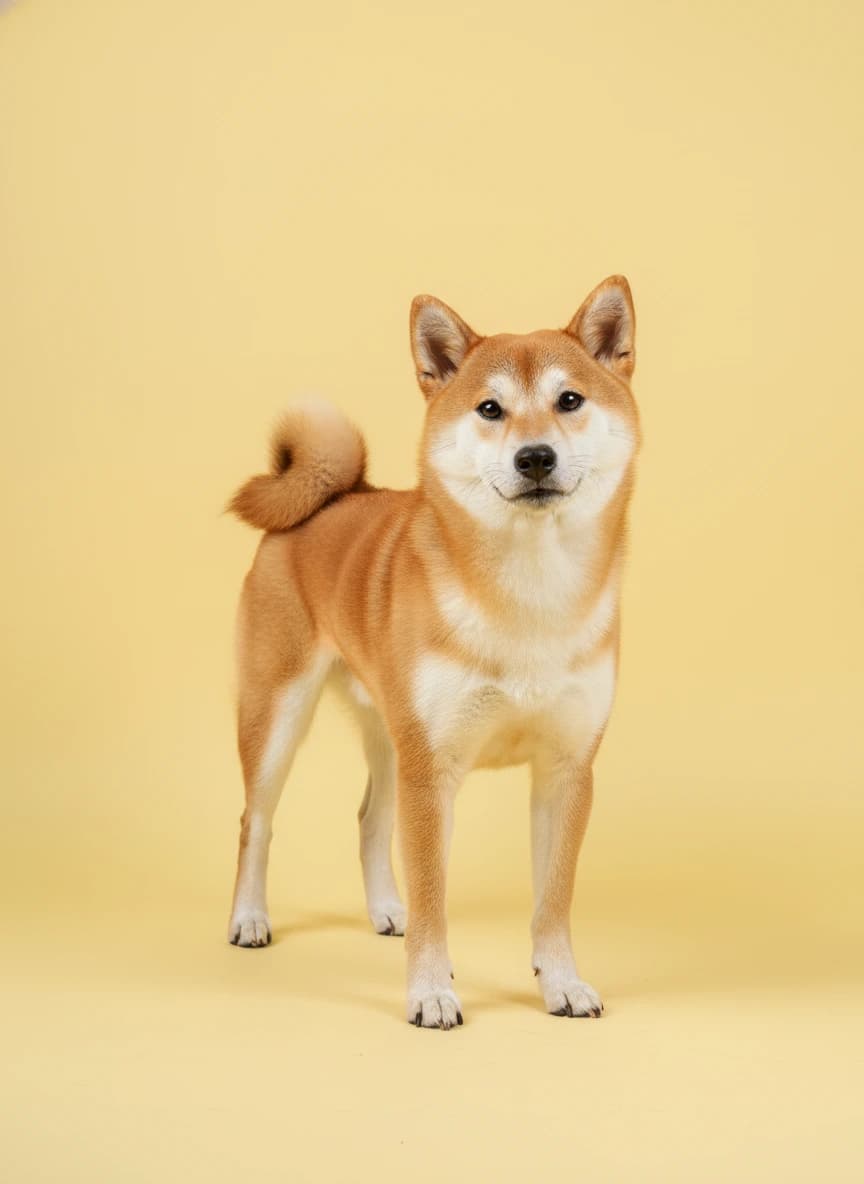
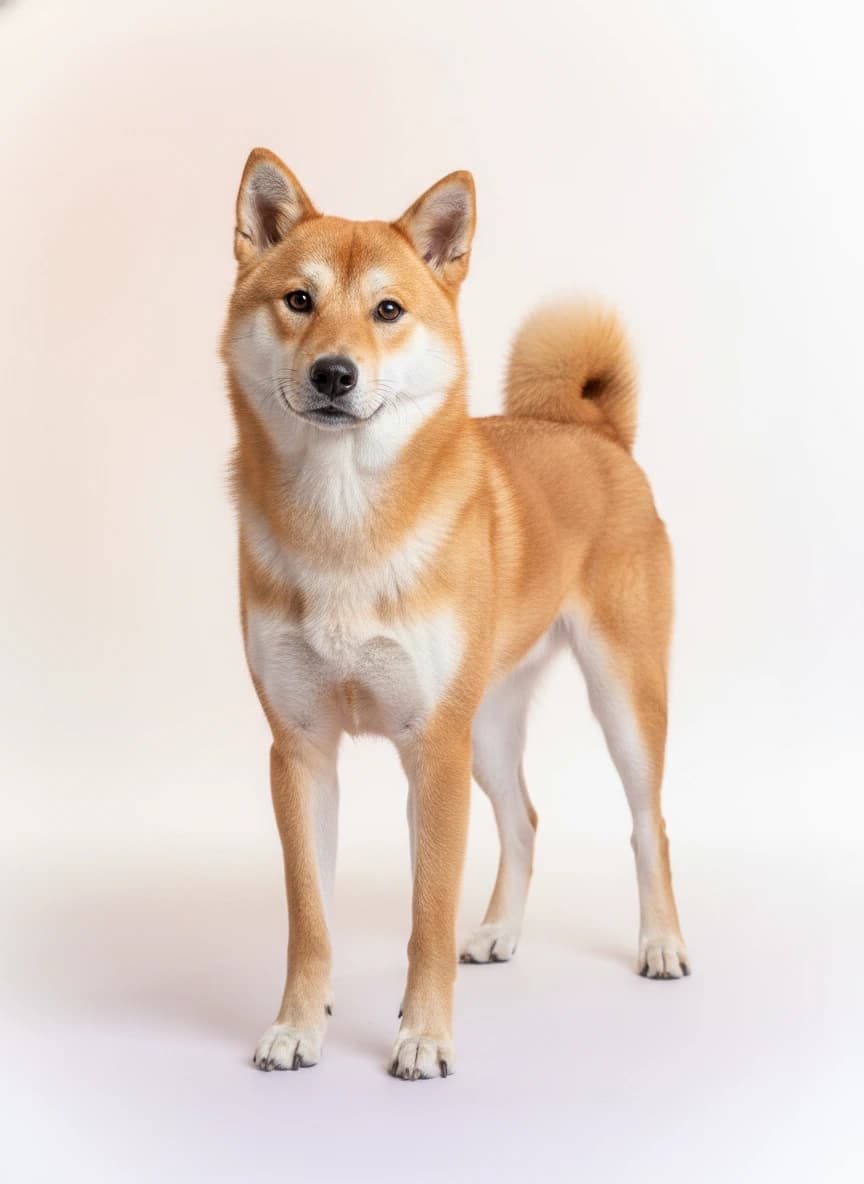
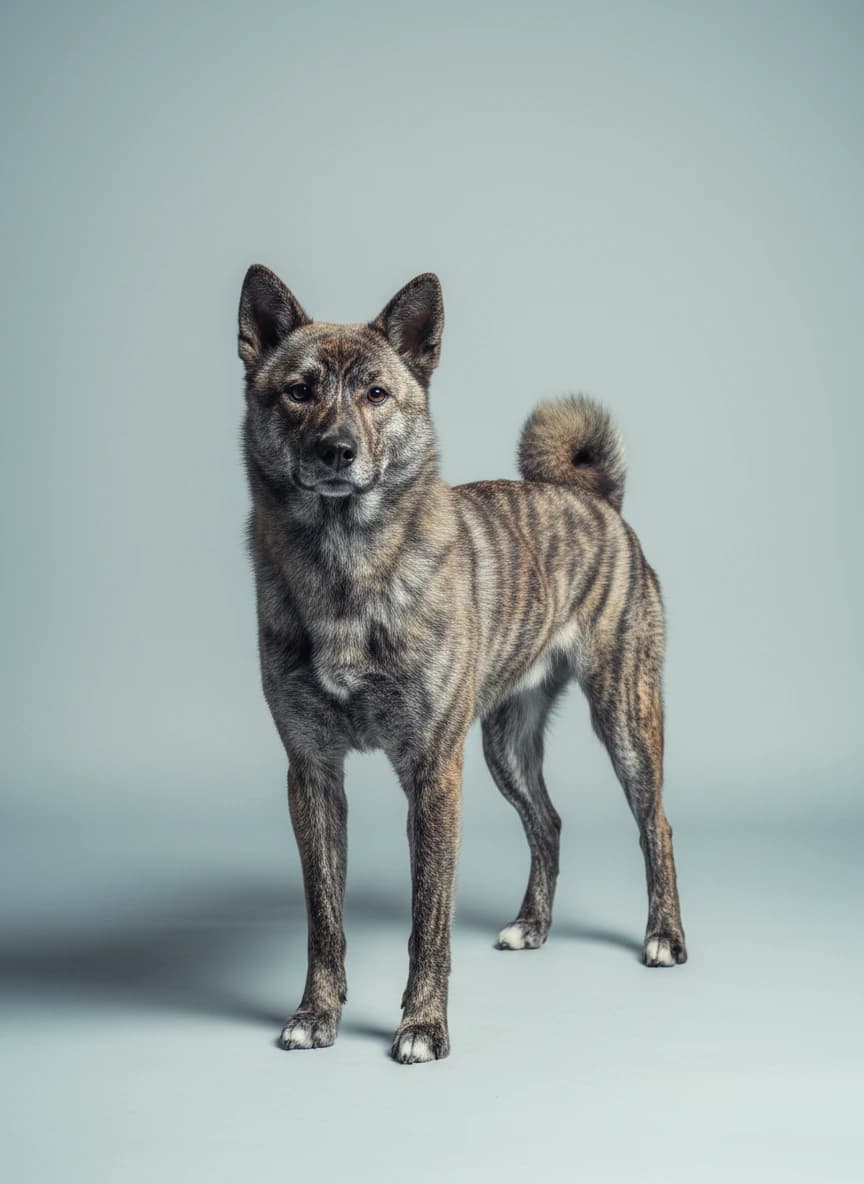
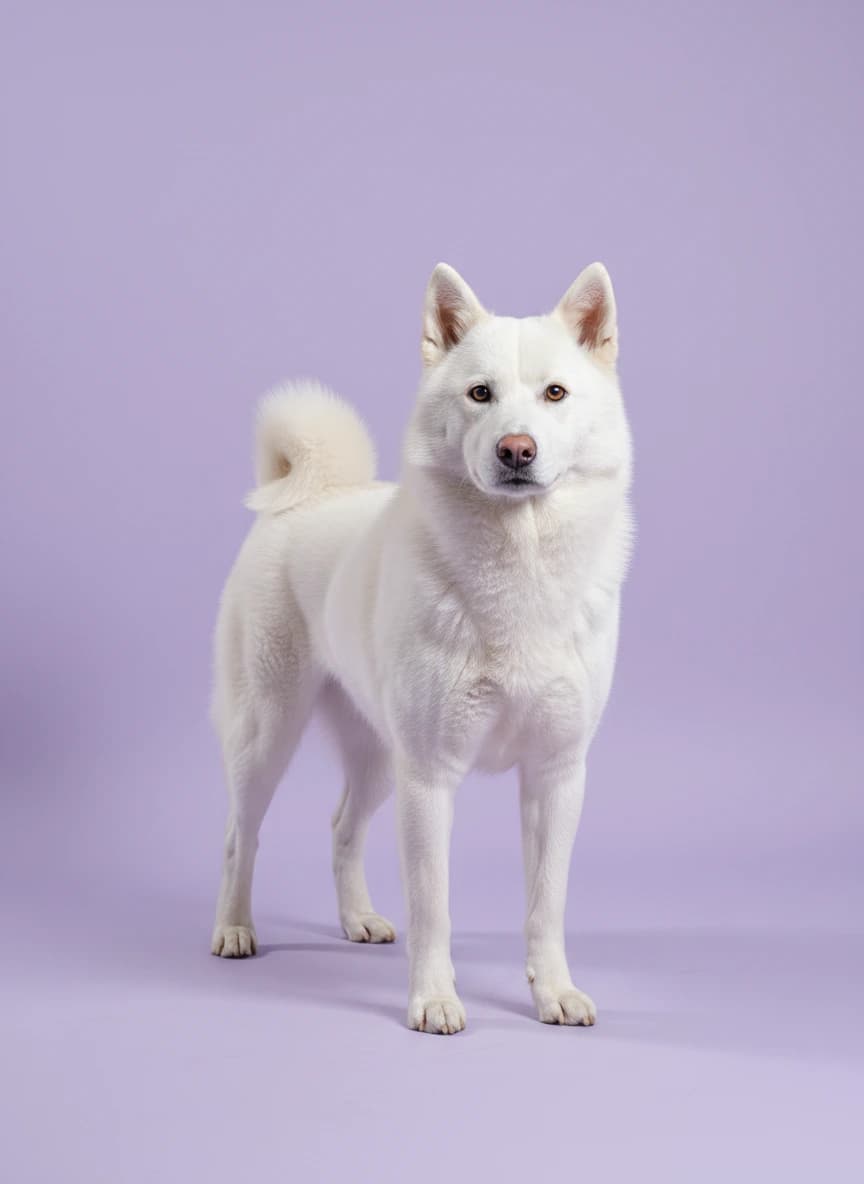
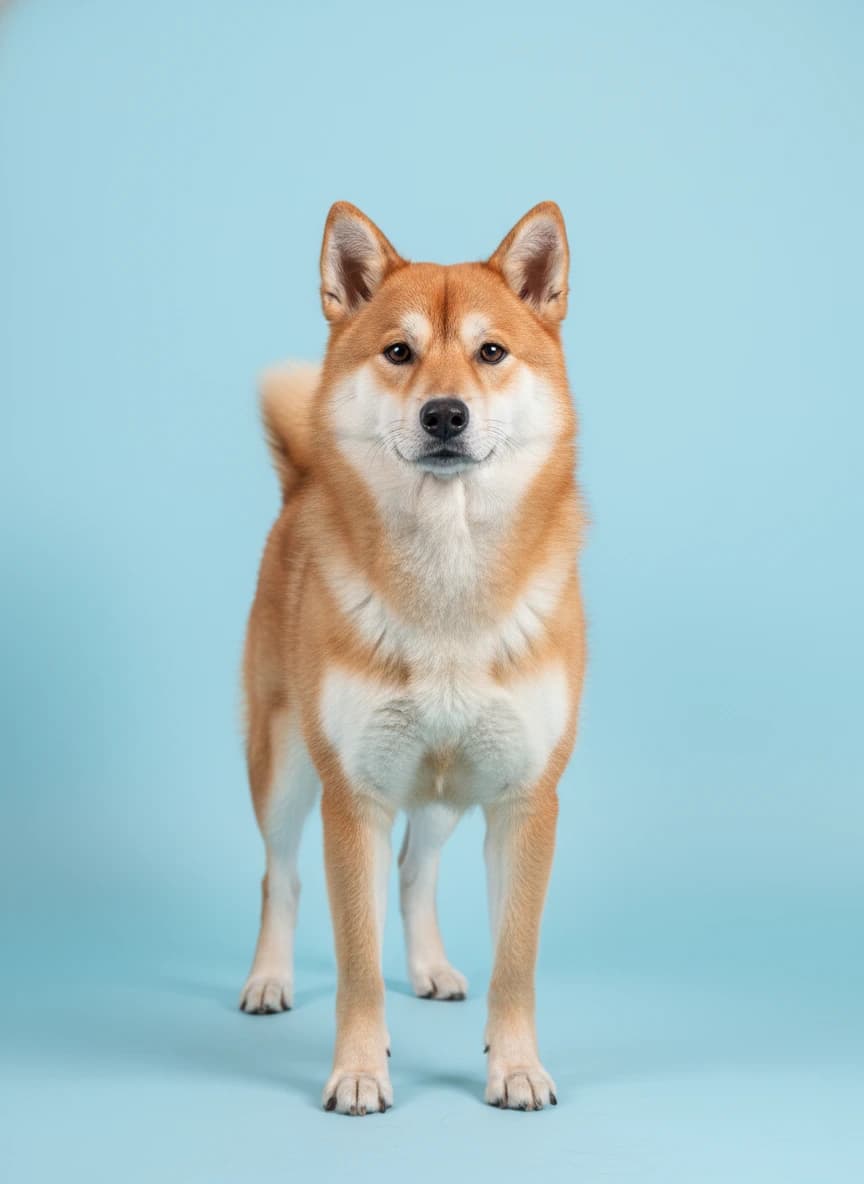
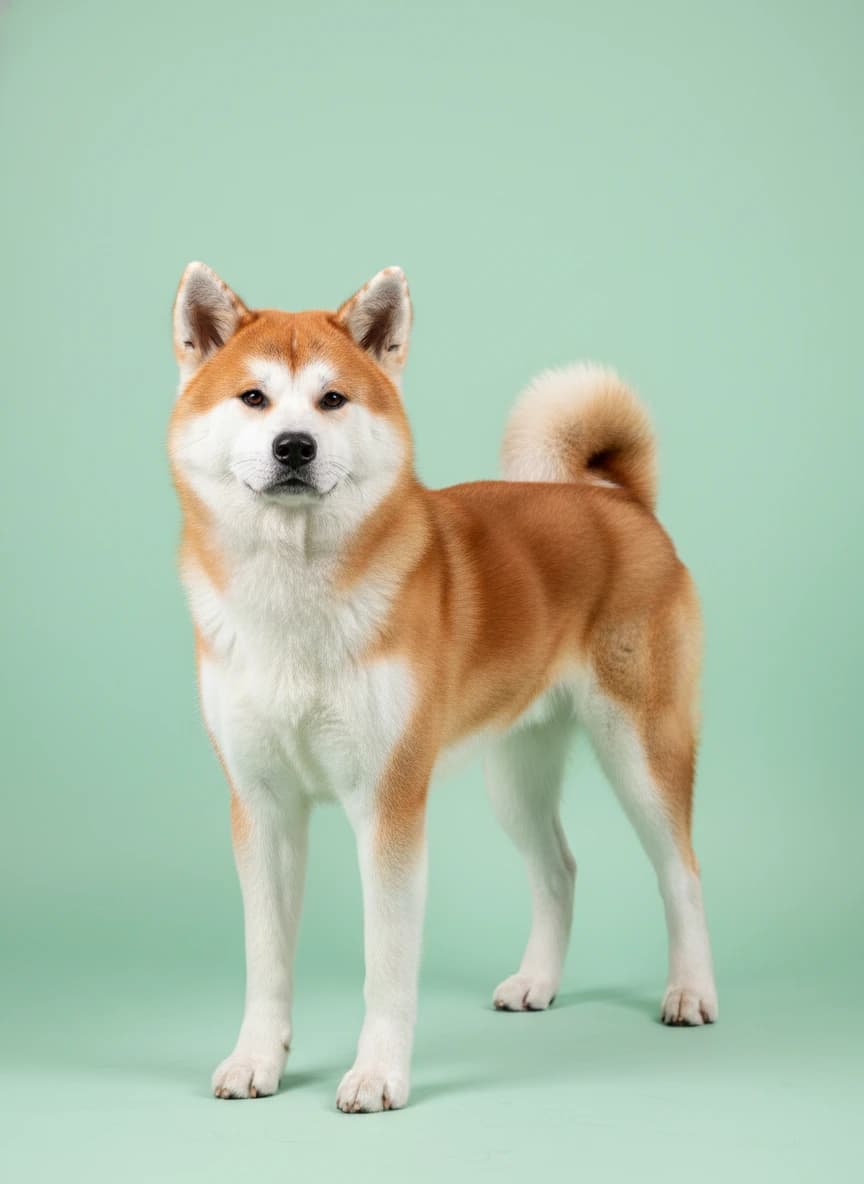
Le Jindo est un compagnon d'une loyauté féroce, un véritable chien « d'une seule personne » qui noue des liens profonds avec son humain de prédilection. Leurs instincts de chasse ancestraux signifient qu'ils sont incroyablement intelligents et indépendants, trouvant souvent leurs propres solutions aux problèmes. Les propriétaires remarqueront une propreté subtile, presque féline, et leur forte proie signifie que des courses soudaines et silencieuses après les écureuils sont une occurrence courante. Bien que dévouée, la race n'est pas ouvertement démonstrative ; son affection se manifeste par une présence tranquille et une protection inébranlable. Ils prospèrent avec un entraînement cohérent et un travail à faire, sinon, leur intelligence peut conduire à des bêtises.
Santé
Problèmes fréquents
- Thyroïdite auto-immune
- Dysplasie de la hanche
Examens recommandés
- Hanches (OFA/FCI)
- Panel thyroïdien
Consulte ton vétérinaire de confiance pour un conseil propre à ton chien.
Tempérament et personnalité
The Korean Jindo is known for fierce loyalty and a strong bond with their chosen person, displaying a "one-person" dog tendency. These dogs carry ancient hunting instincts that shape their behavior—they are remarkably intelligent and independent, often solving problems on their own initiative. Jindos tend to be reserved and not overtly demonstrative with affection; instead, they show devotion through quiet presence and protective vigilance. Their alertness and independent nature mean they think for themselves, which can be both an asset and a challenge. Many owners notice an almost cat-like cleanliness about the breed.