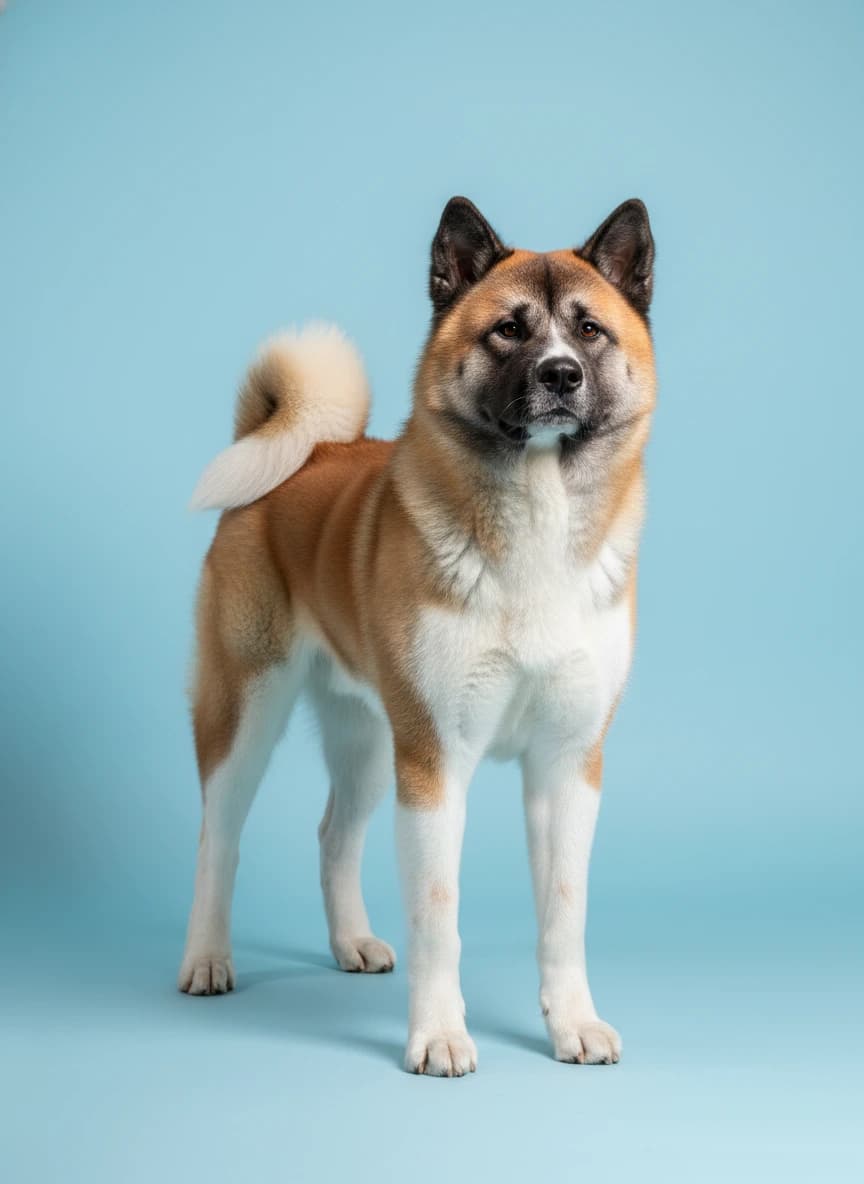
Jindo Coreano
Também conhecida como: Jindo, Cão Jindo, Chindo, Jindo Gae
 South Coreia
- Esperança de vida
- 12-14 a
- Peso
- 15-23 kg
- Exercício
- Alto
Perfil da raça
- Tamanho
- Médio
- Tipo de raça
- Raça pura
- Capacidade de treino
- Moderado
- Tosquia
- Moderado
Descrição
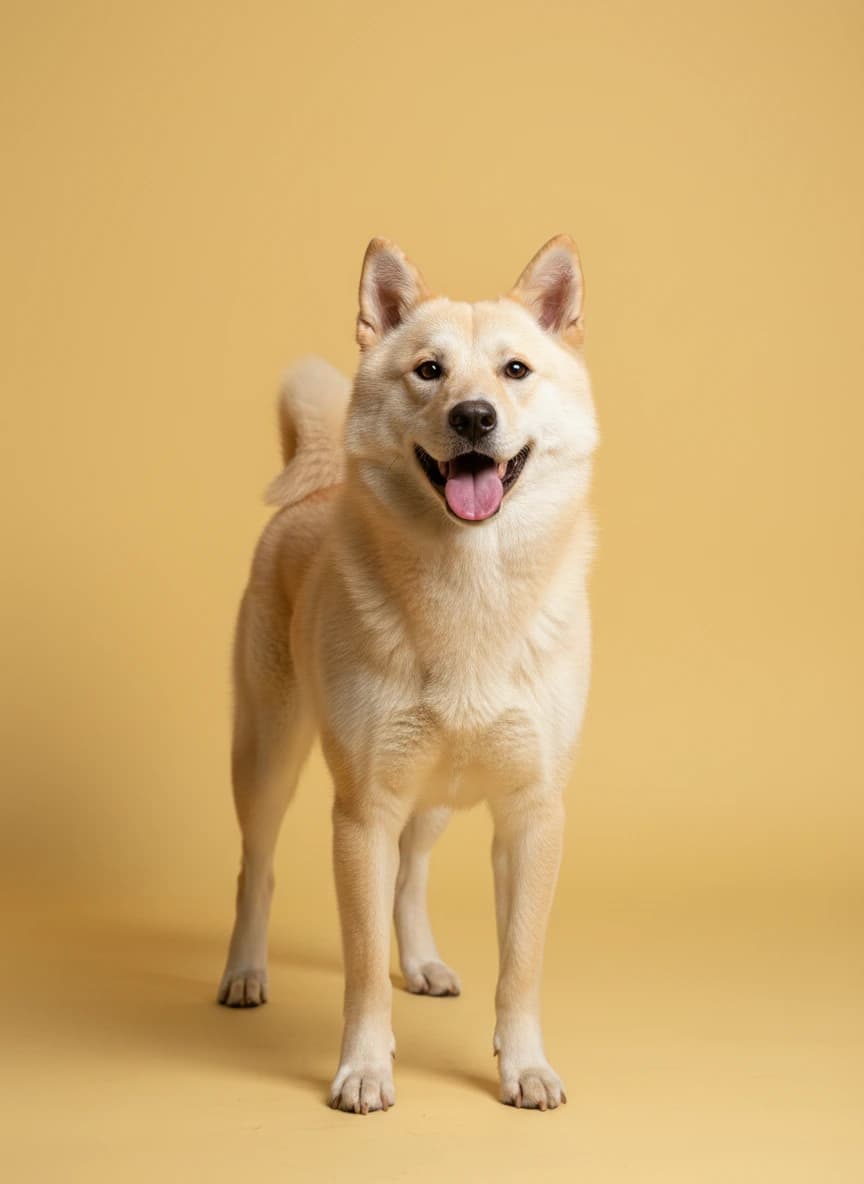
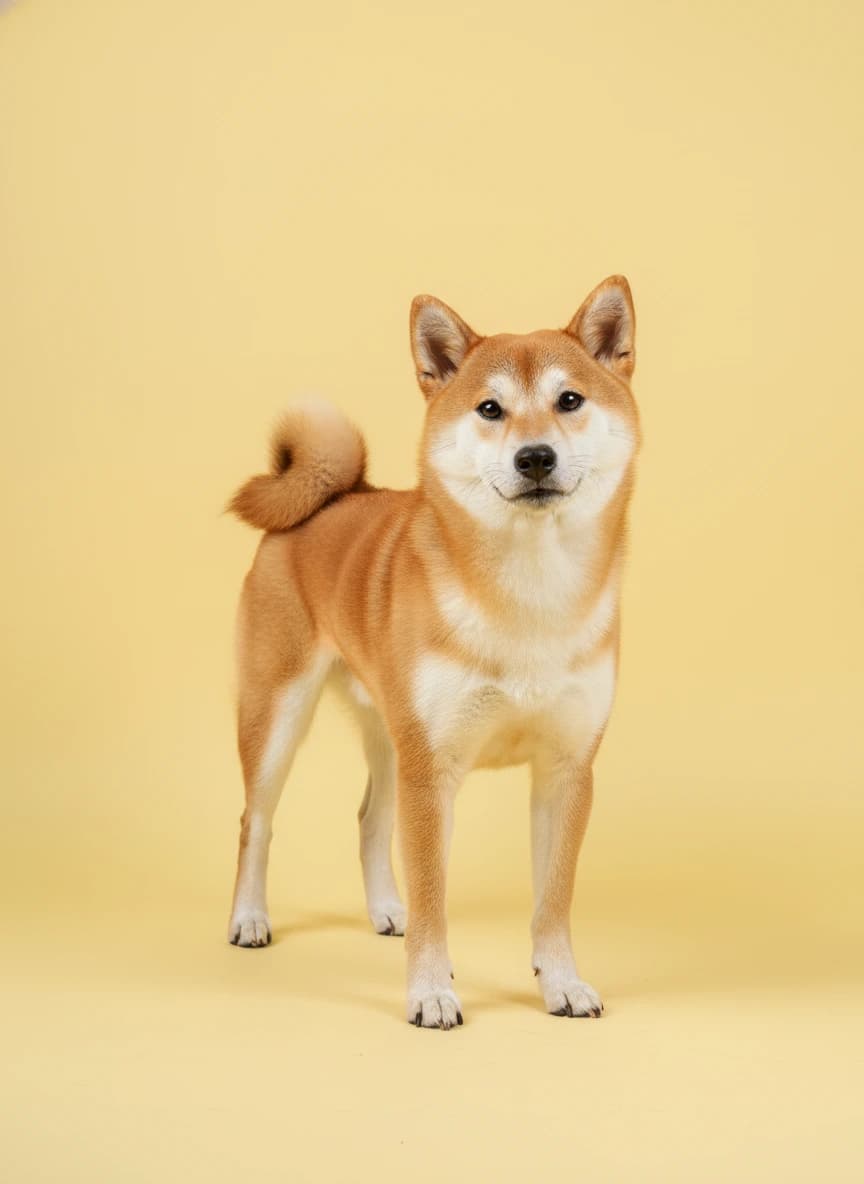
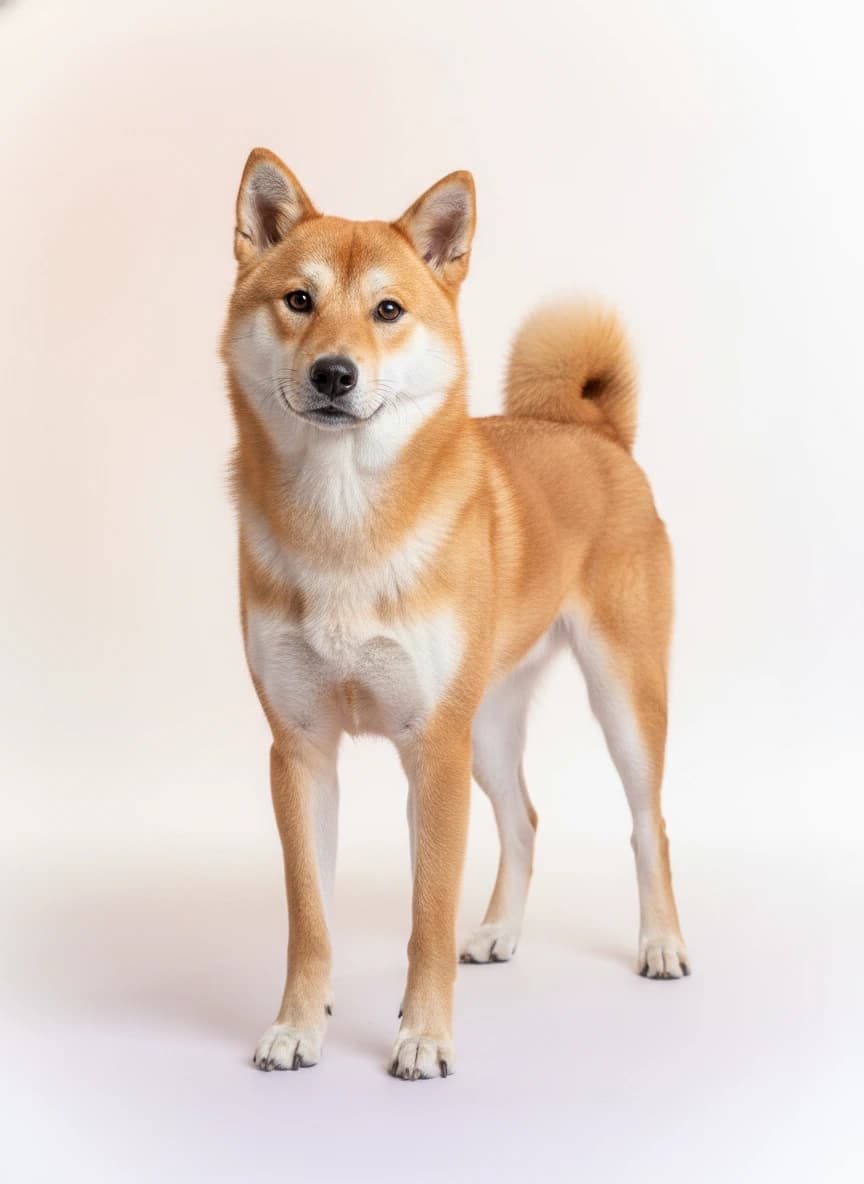
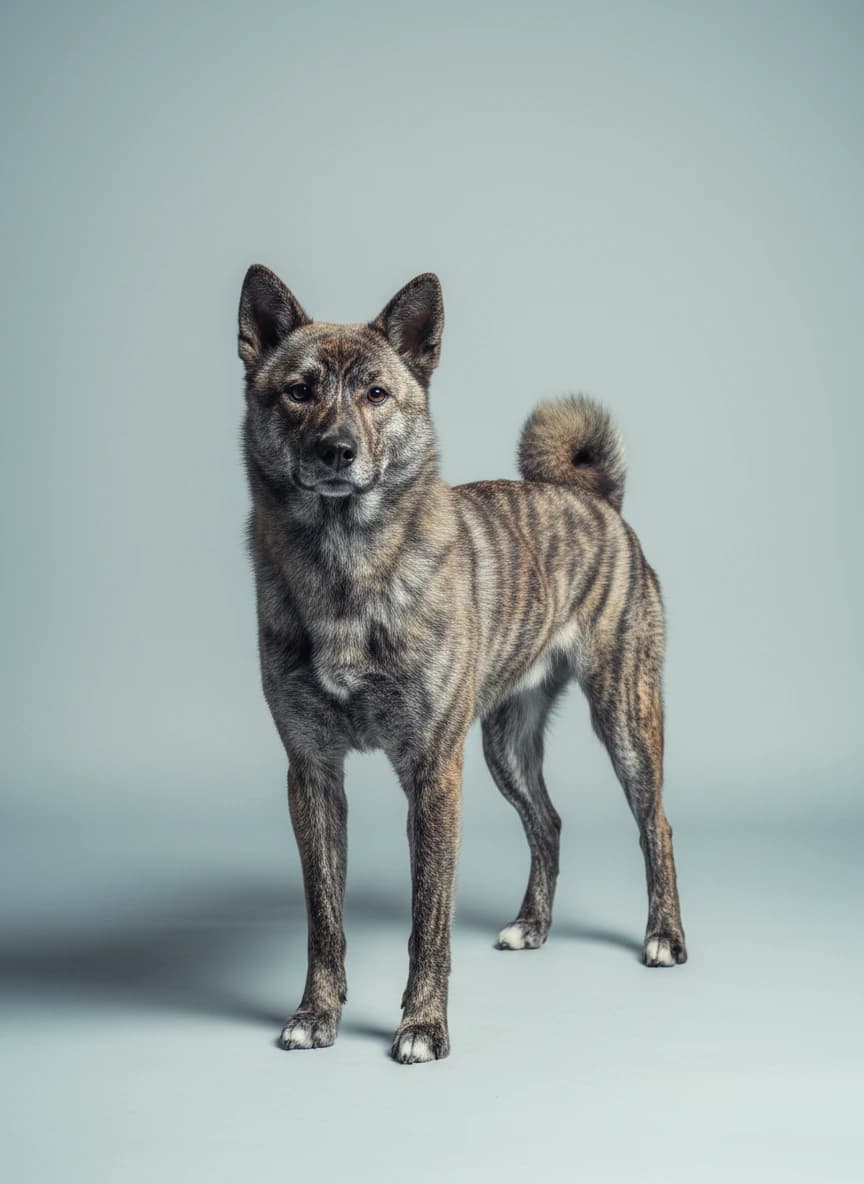
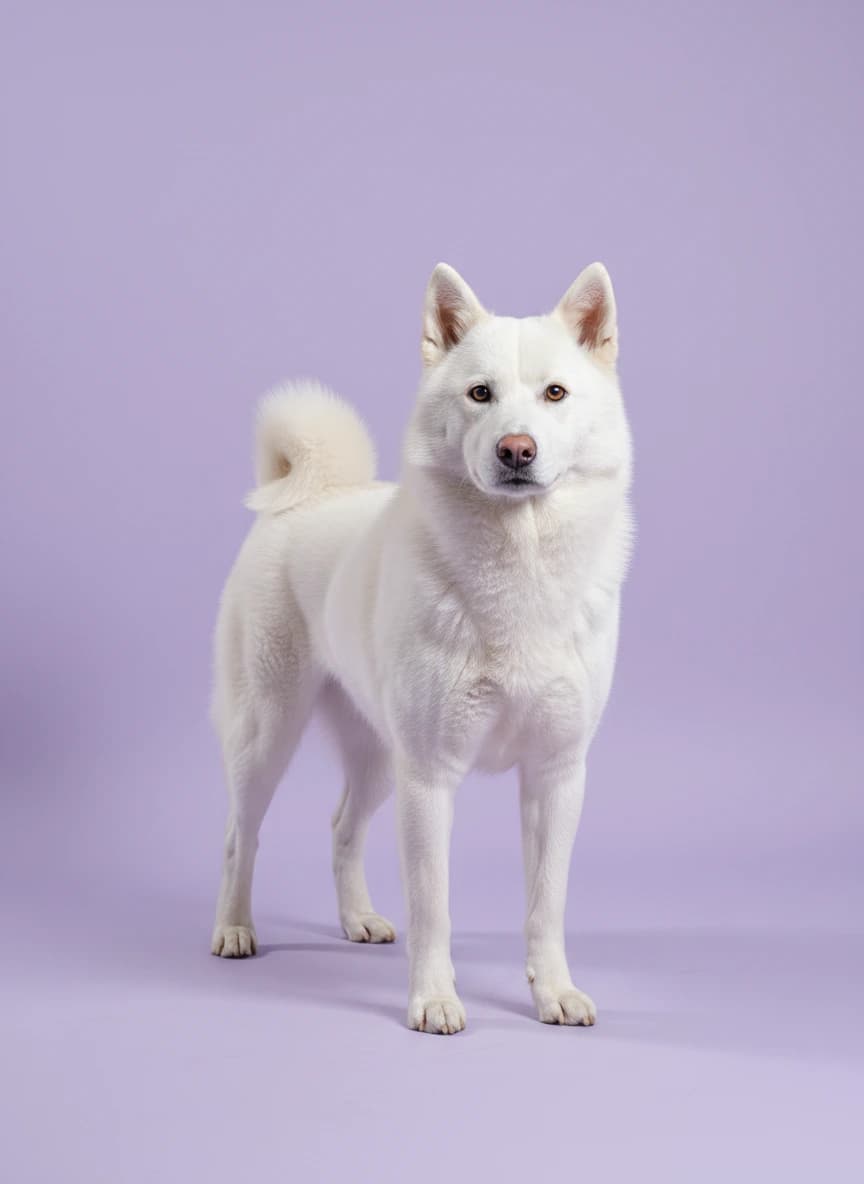
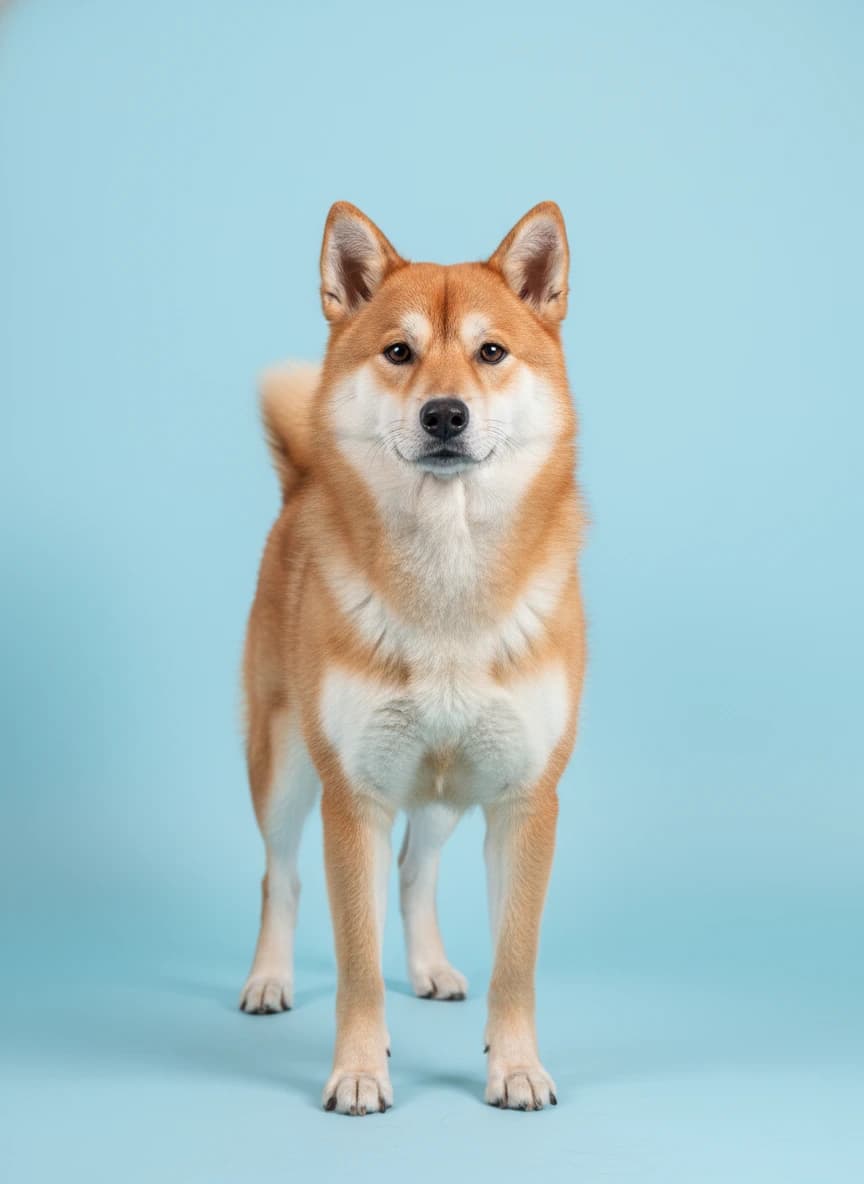
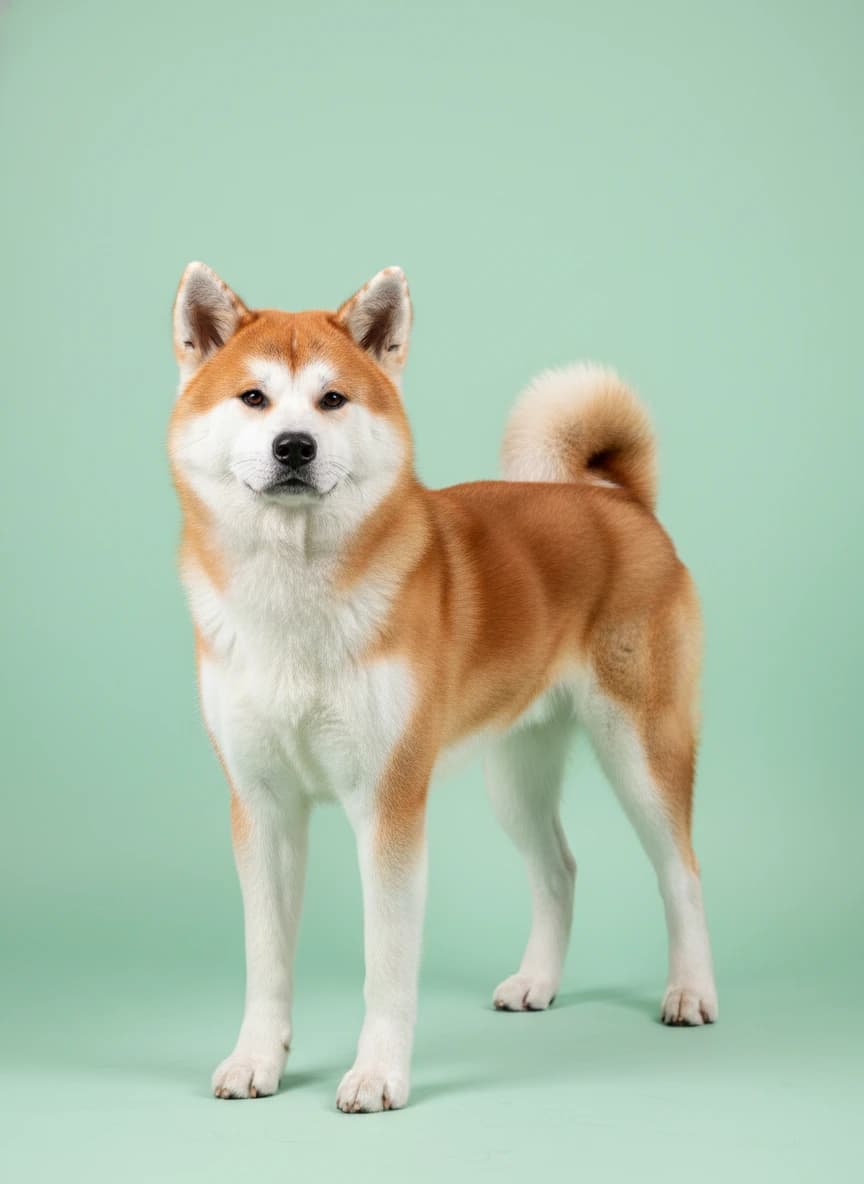
O Jindo é um companheiro ferozmente leal, um verdadeiro cão de "uma pessoa" que se vincula profundamente com seu humano escolhido. Seus antigos instintos de caça significam que são incrivelmente inteligentes e independentes, frequentemente encontrando suas próprias soluções para problemas. Os donos notarão uma limpeza sutil, quase felina, sobre eles, e sua alta avidez de presas significa que corridas repentinas e silenciosas atrás de esquilos são uma ocorrência comum. Embora dedicados, não são excessivamente demonstrativos; seu afeto se manifesta através de presença tranquila e proteção inabalável. Prosperam com treinamento consistente e uma tarefa a realizar, caso contrário, sua inteligência pode levar a travessuras.
Saúde
Problemas frequentes
- Tireoidite autoimune
- Displasia de quadril
Exames recomendados
- Quadris (OFA/FCI)
- Painel de tireoide
Consulta o teu veterinário de confiança para um conselho específico para o teu cão.
Temperamento e personalidade
The Korean Jindo is known for fierce loyalty and a strong bond with their chosen person, displaying a "one-person" dog tendency. These dogs carry ancient hunting instincts that shape their behavior—they are remarkably intelligent and independent, often solving problems on their own initiative. Jindos tend to be reserved and not overtly demonstrative with affection; instead, they show devotion through quiet presence and protective vigilance. Their alertness and independent nature mean they think for themselves, which can be both an asset and a challenge. Many owners notice an almost cat-like cleanliness about the breed.