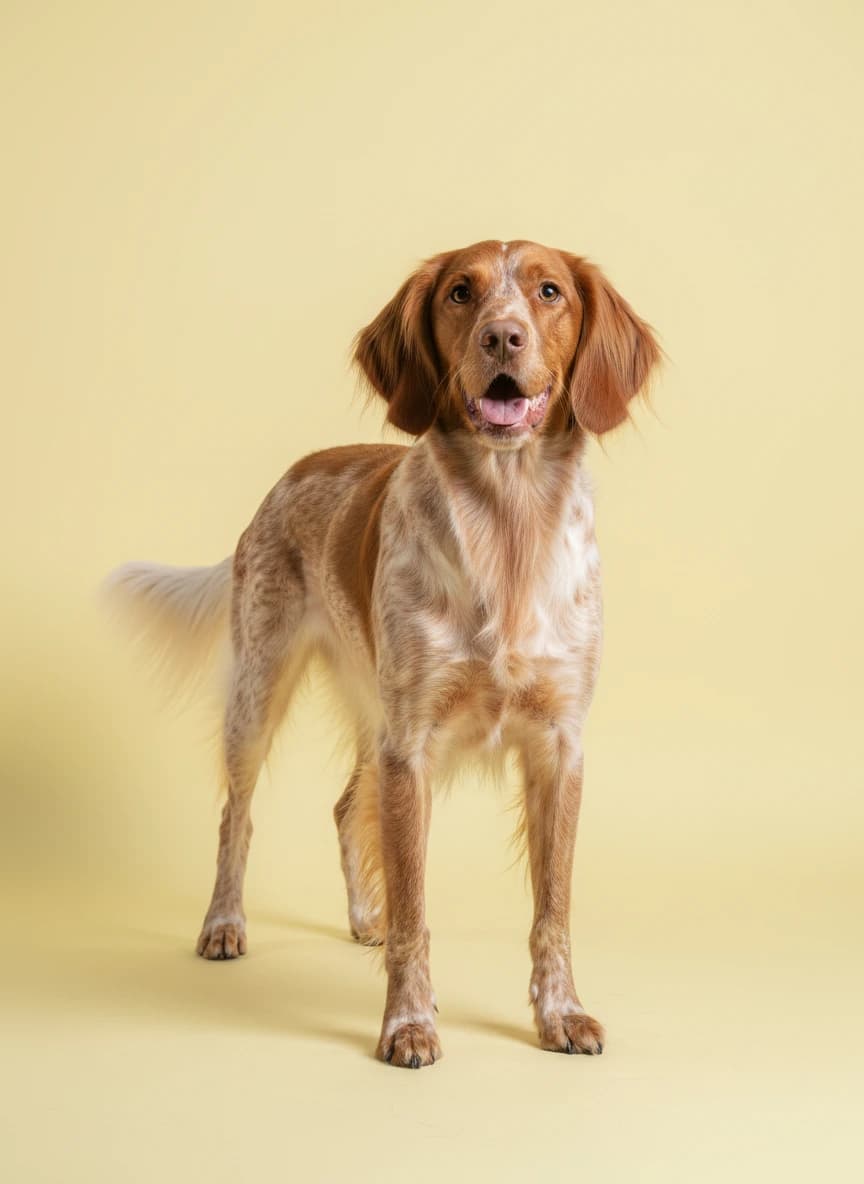
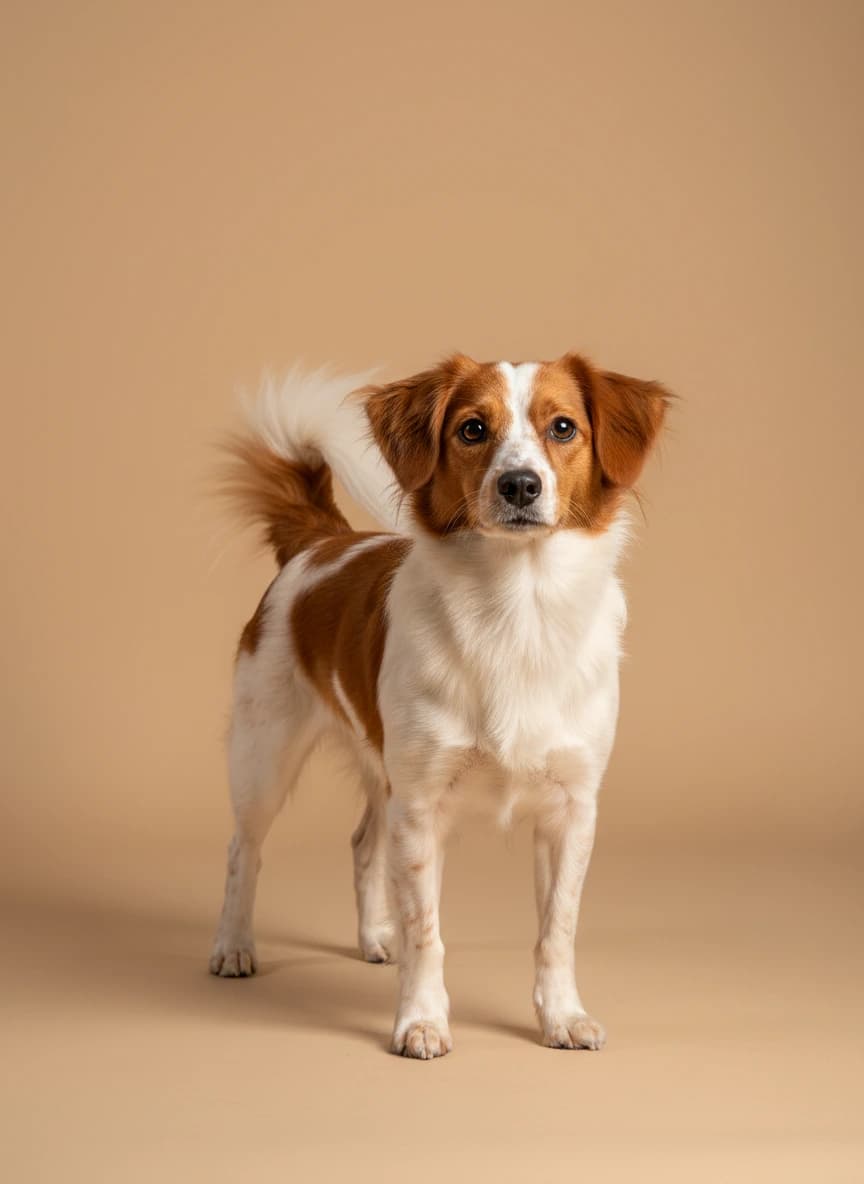
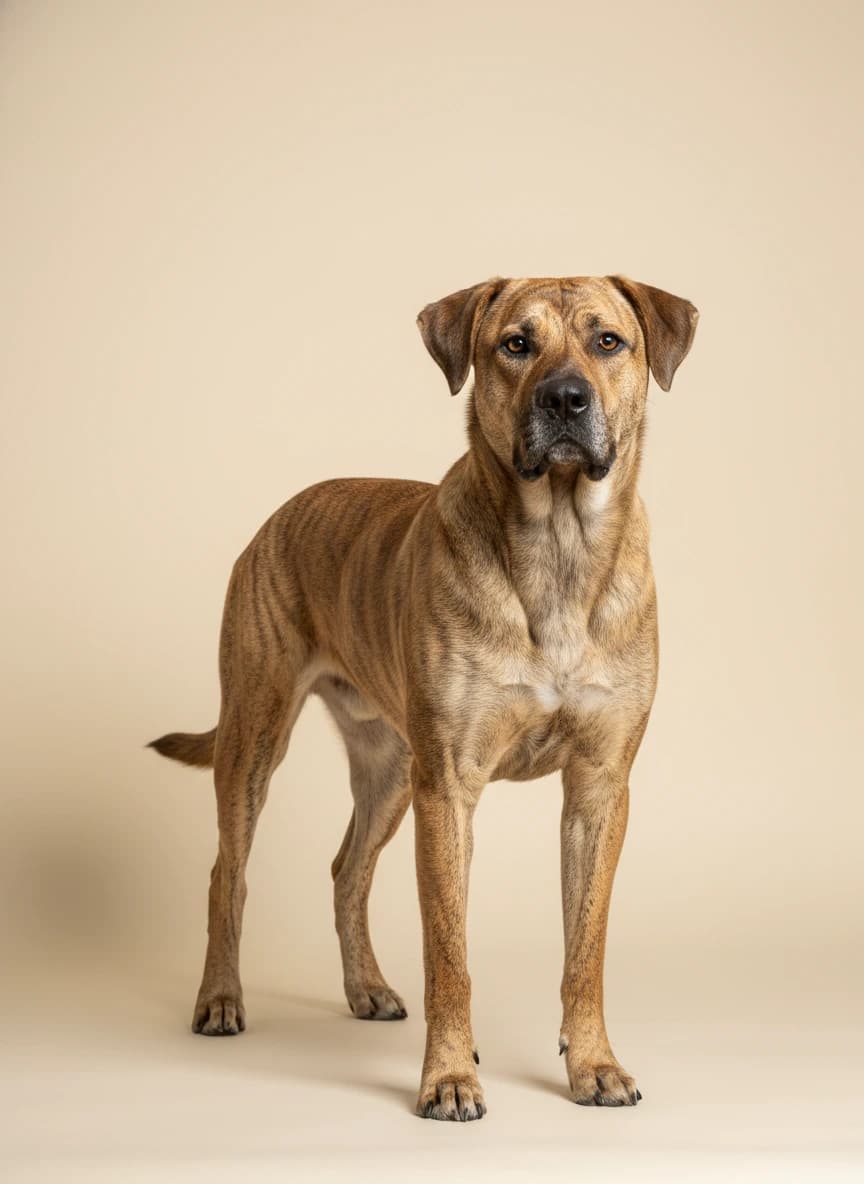
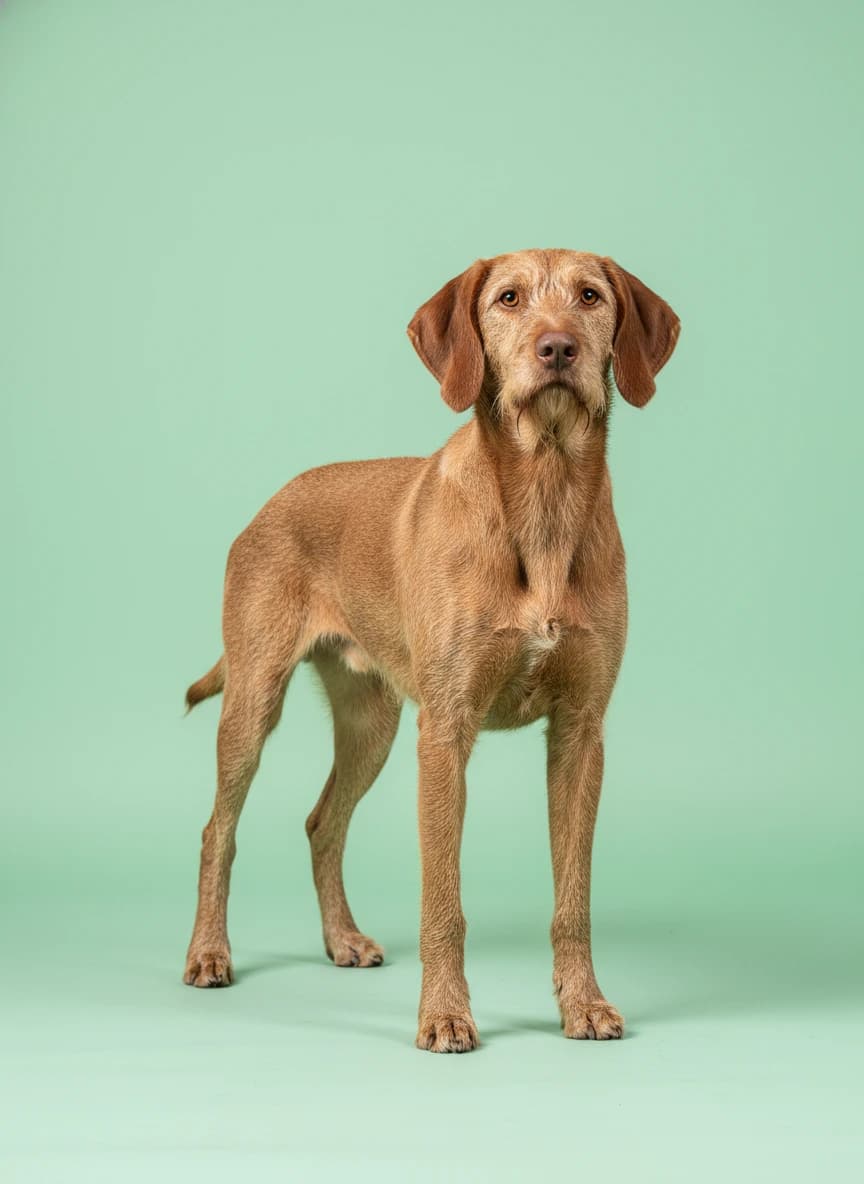
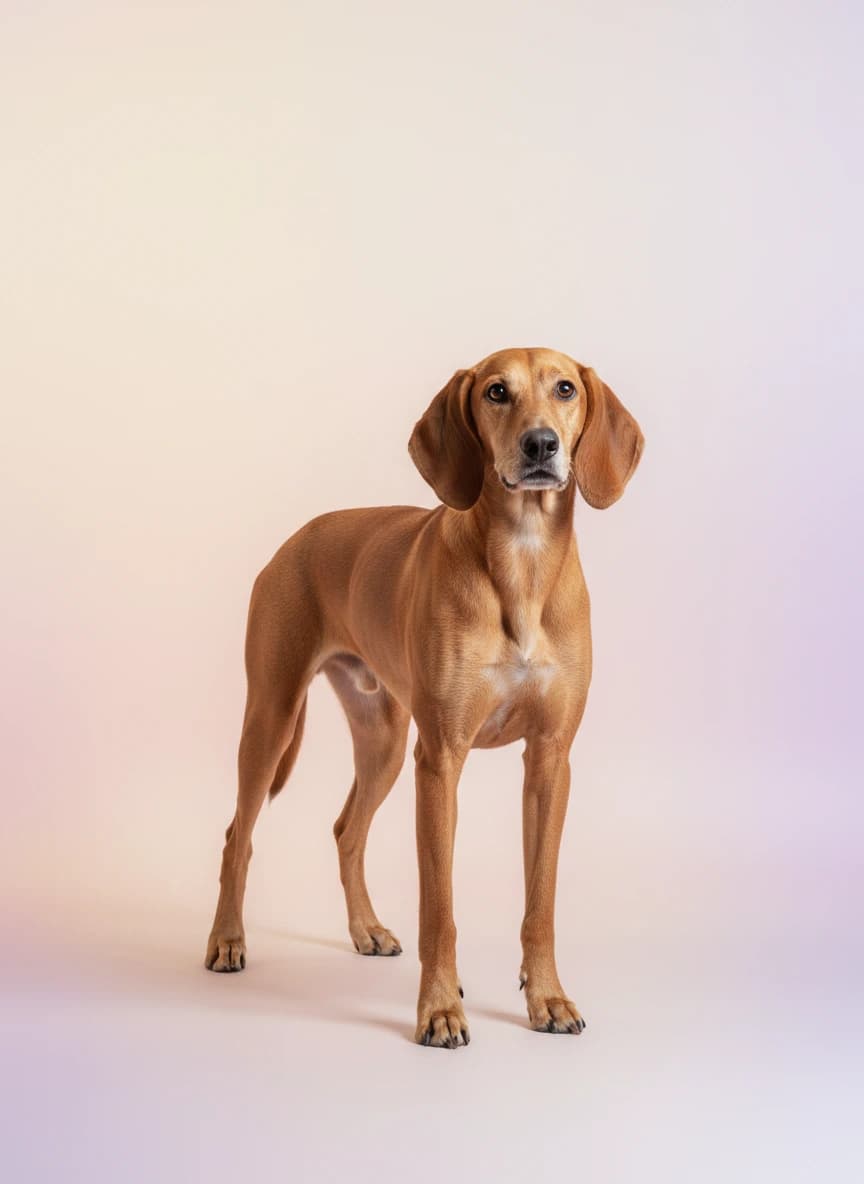
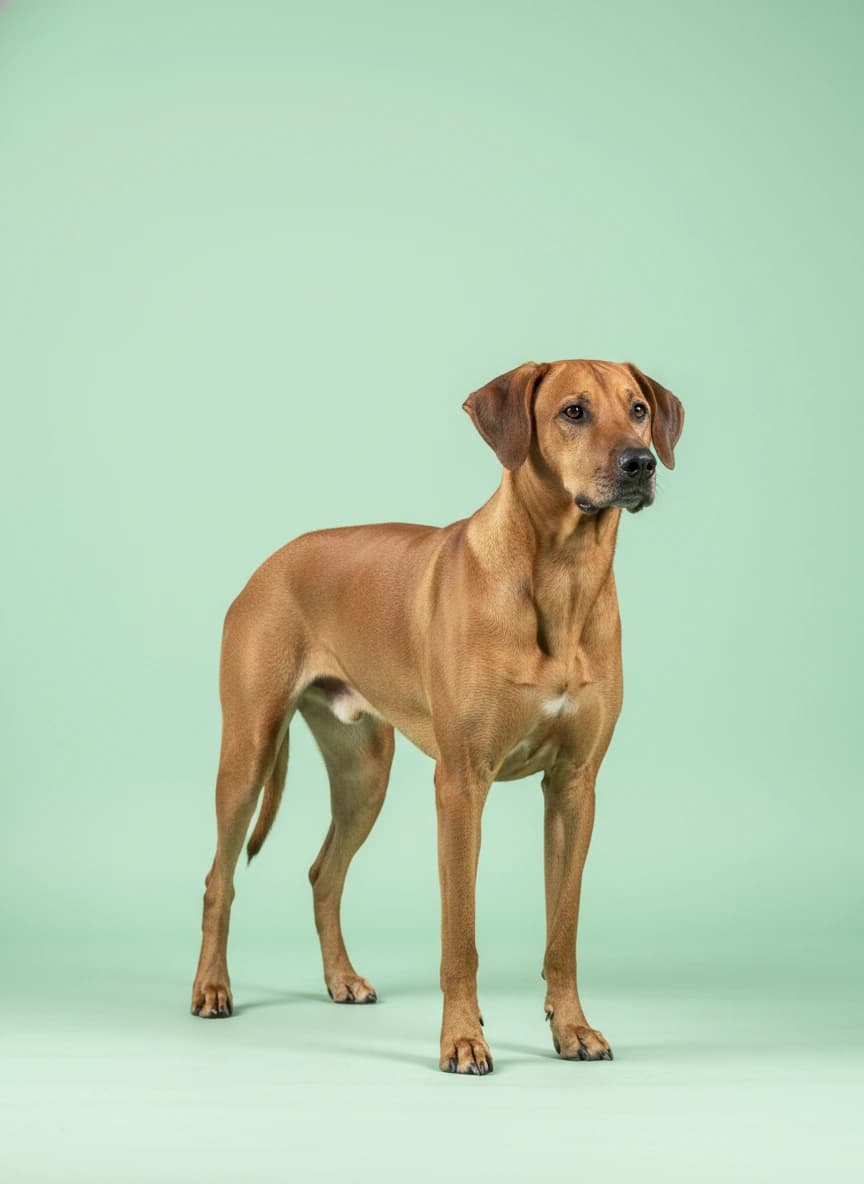
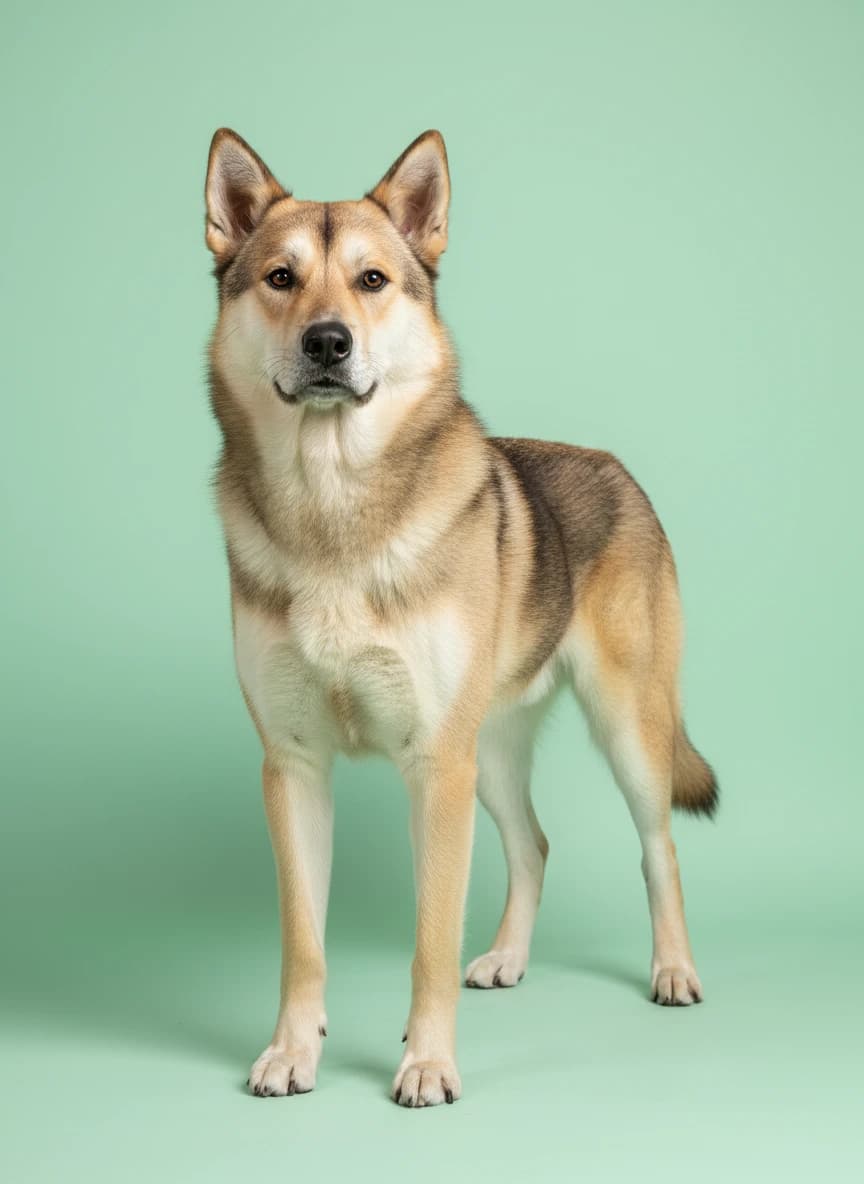
Drentsche Patrijshond
Aussi connue sous le nom: Drentsche Patrijshond, Chien d'Arrêt Frison
 Pays-Bas (Drenthe)
- Espérance de vie
- 11-14 a
- Poids
- 18-30 kg
- Exercice
- Modéré
Profil de la race
- Taille
- Grand
- Type de race
- Race pure
- Éducabilité
- Modéré
- Toilettage
- Modéré
Description
Le Drentsche Patrijshond est un compagnon loyal et affectueux, toujours désireux de participer aux activités familiales. Ils possèdent une intelligence vive et un esprit joueur, ce qui en fait des membres du foyer délightful mais parfois espiègles. Développés pour la chasse aux côtés de leurs partenaires humains, ils conservent un fort désir de plaire et s'épanouissent grâce à l'engagement, qu'il s'agisse d'une longue promenade en forêt ou d'une partie de fetch dans le jardin. Leur nature douce s'étend souvent aux enfants et autres animaux domestiques, mais leurs instincts naturels de chien d'arrêt signifient qu'un écureuil dans la cour peut déclencher une chasse enthousiaste (et vocale). Cette race intelligente et sensible forme des liens profonds et s'épanouit véritablement avec une compagnie constante.
Santé
Problèmes fréquents
- Troubles oculaires
- Dysplasie de la hanche
Examens recommandés
- Hanches (OFA/FCI)
- Examen ophtalmologique (CAER)
Consulte ton vétérinaire de confiance pour un conseil propre à ton chien.
Tempérament et personnalité
The Drentsche Patrijshond is characterized by loyalty, alertness, and an eagerness to please that stems from their heritage as hunting companions. They tend to be affectionate and form deep bonds with their families, thriving on consistent companionship and engagement. Intelligence and playfulness are hallmarks of the breed, though this can manifest as mischief when their minds aren't sufficiently occupied. Their sensitive nature means they respond well to positive interactions and struggle with neglect or harsh corrections. The breed's bird dog instincts remain strong, and they may react with enthusiasm and vocalization to small animals in the yard or neighborhood.