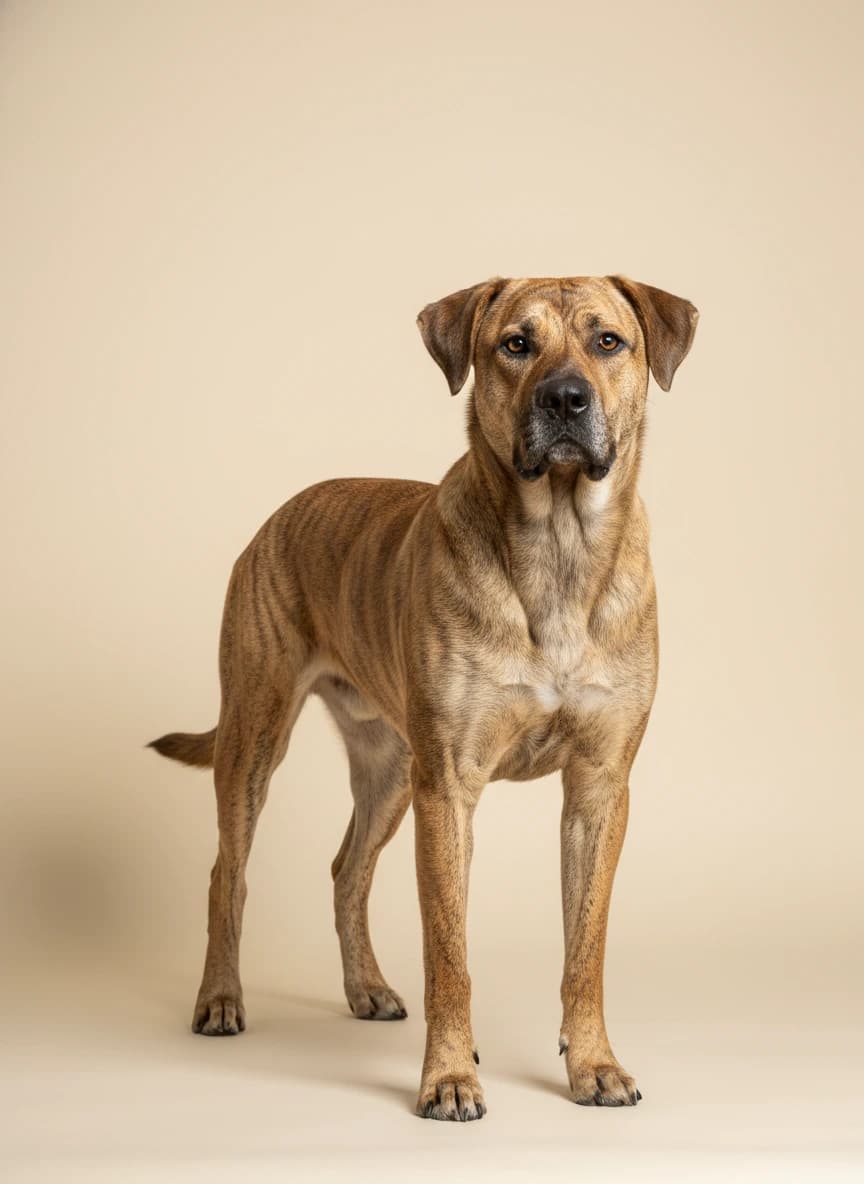
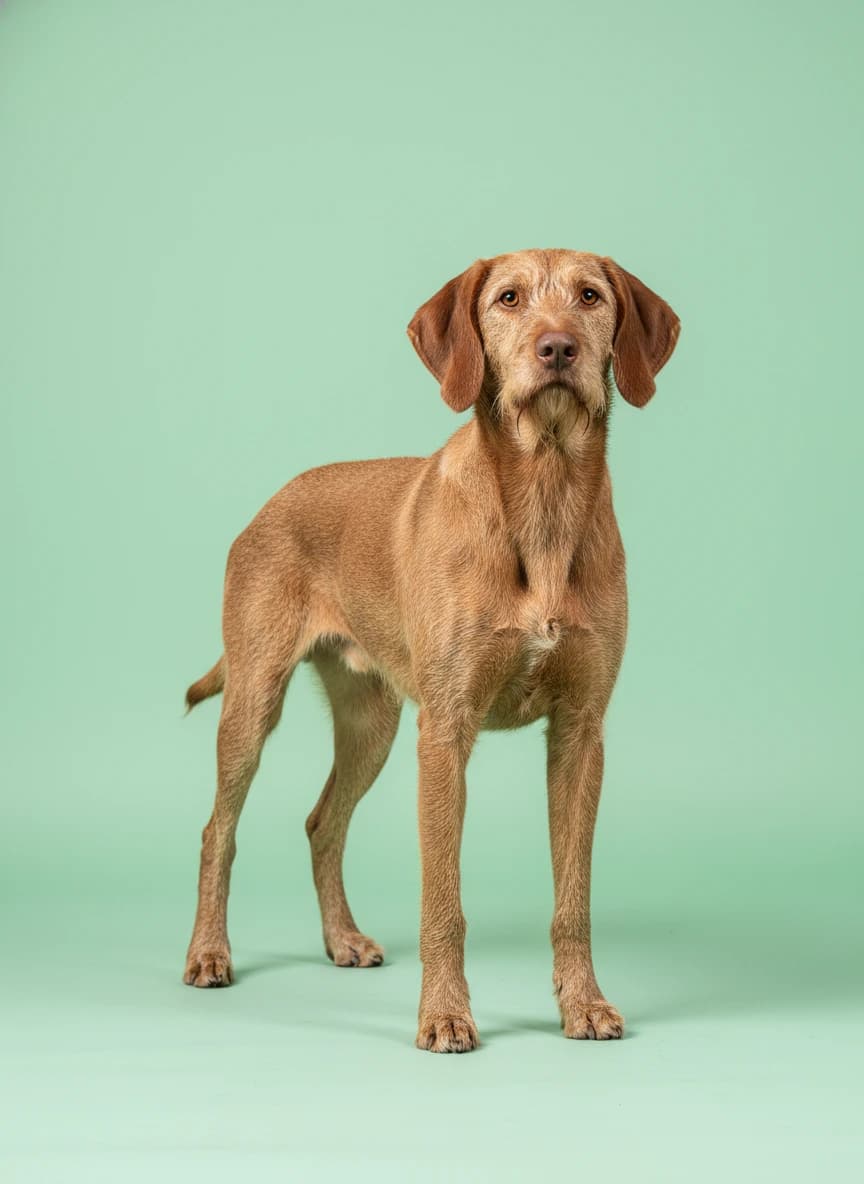
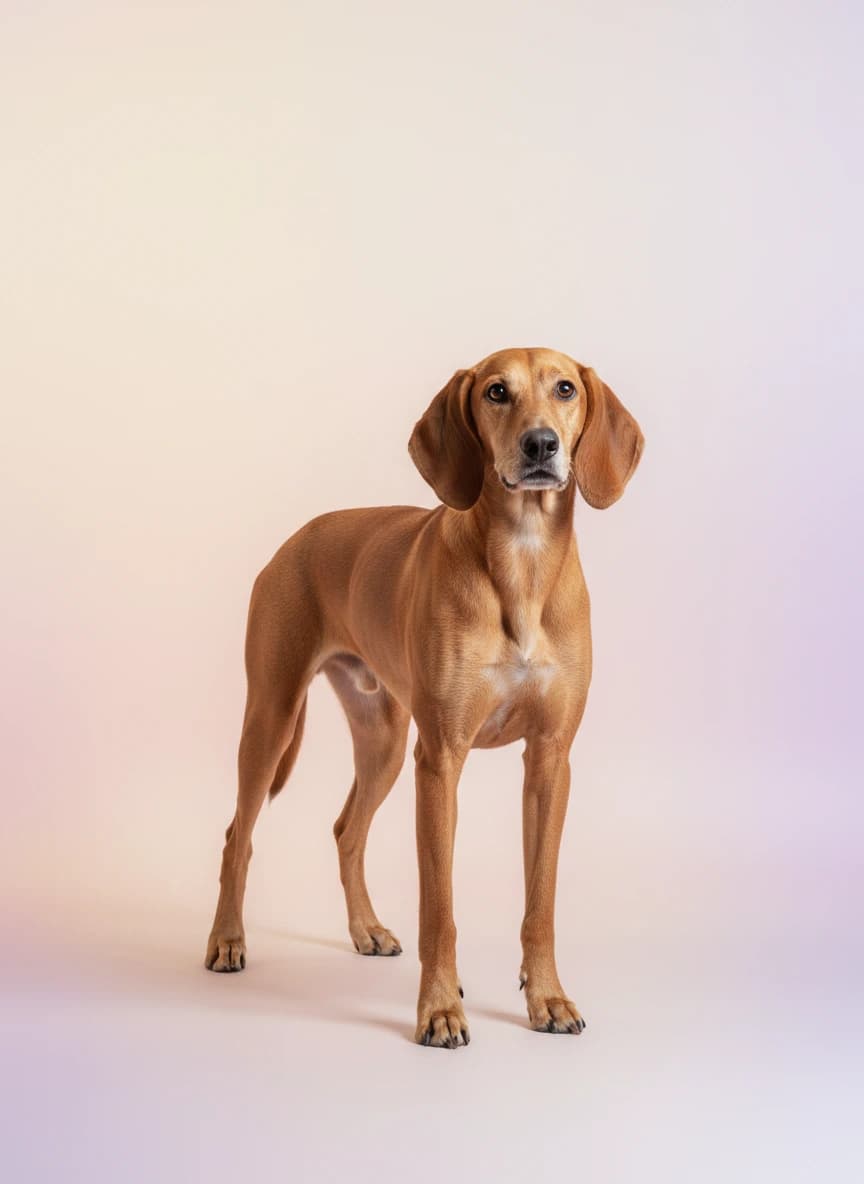
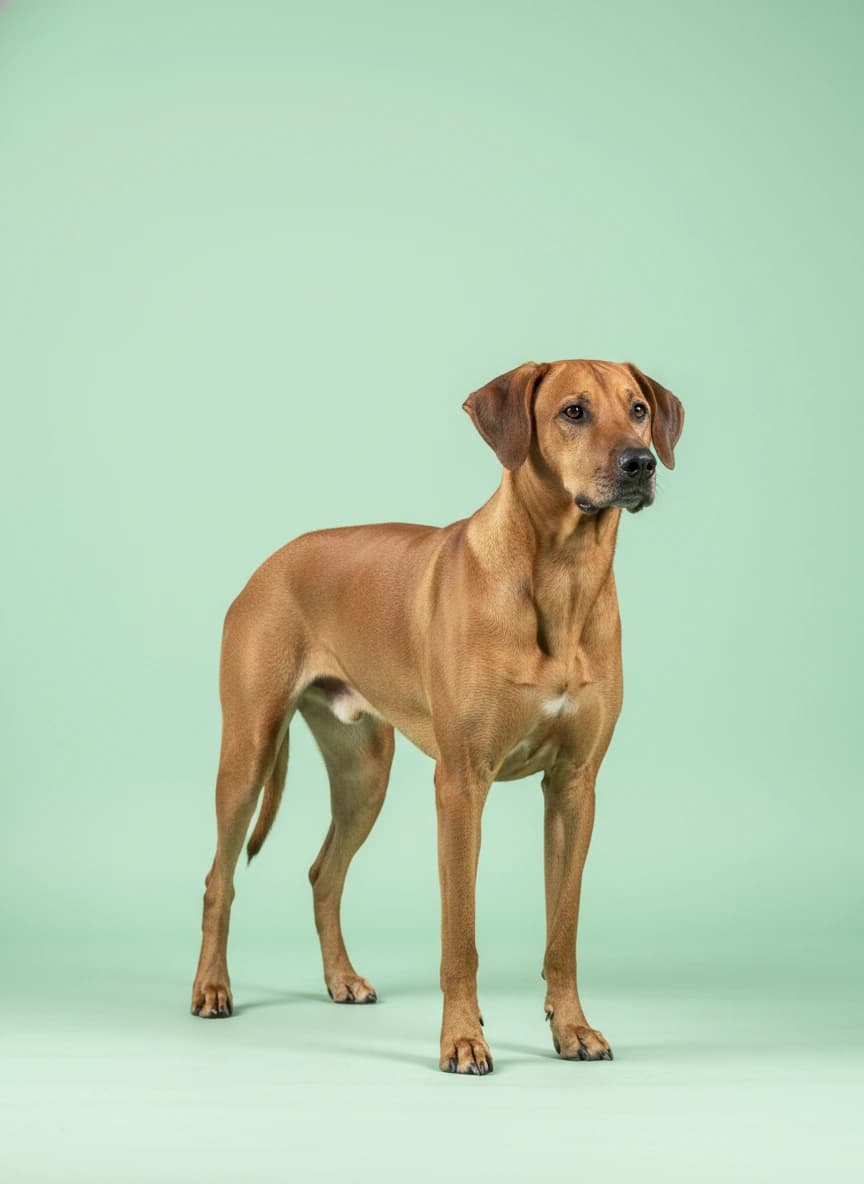
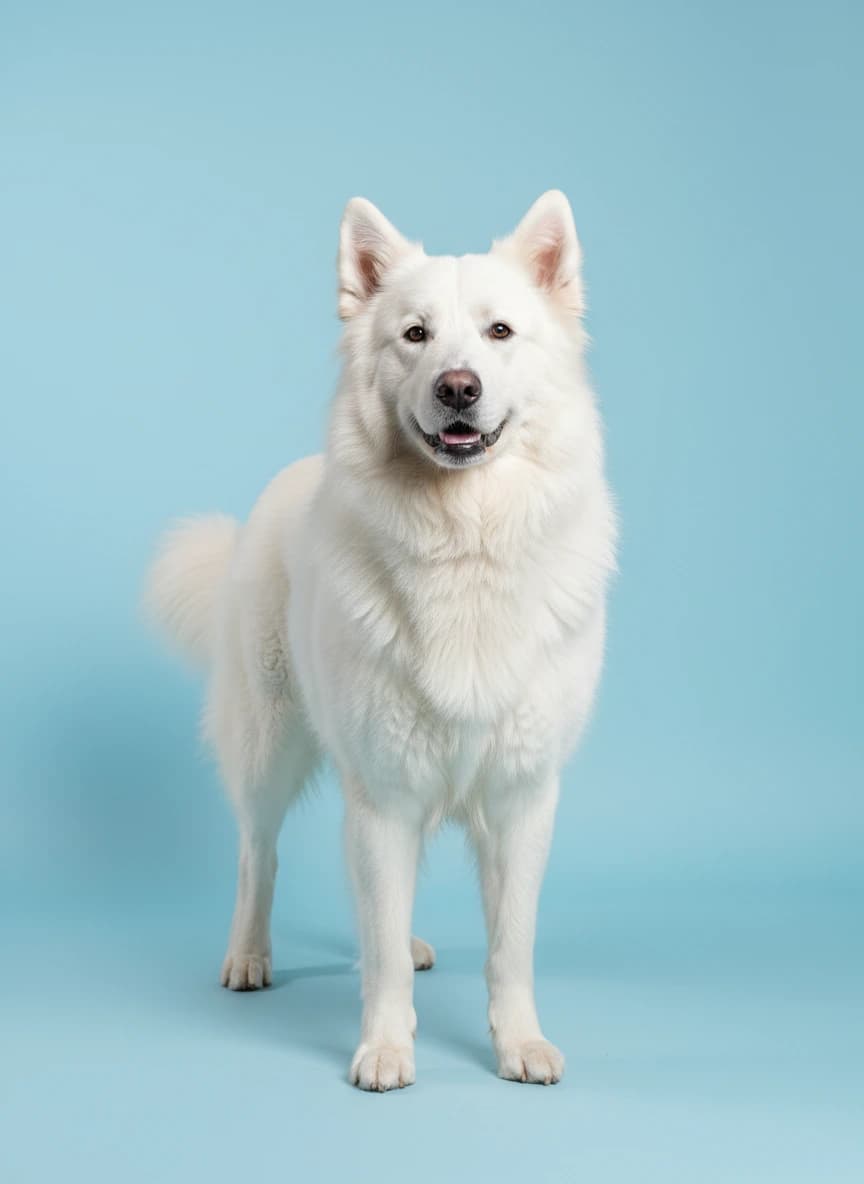
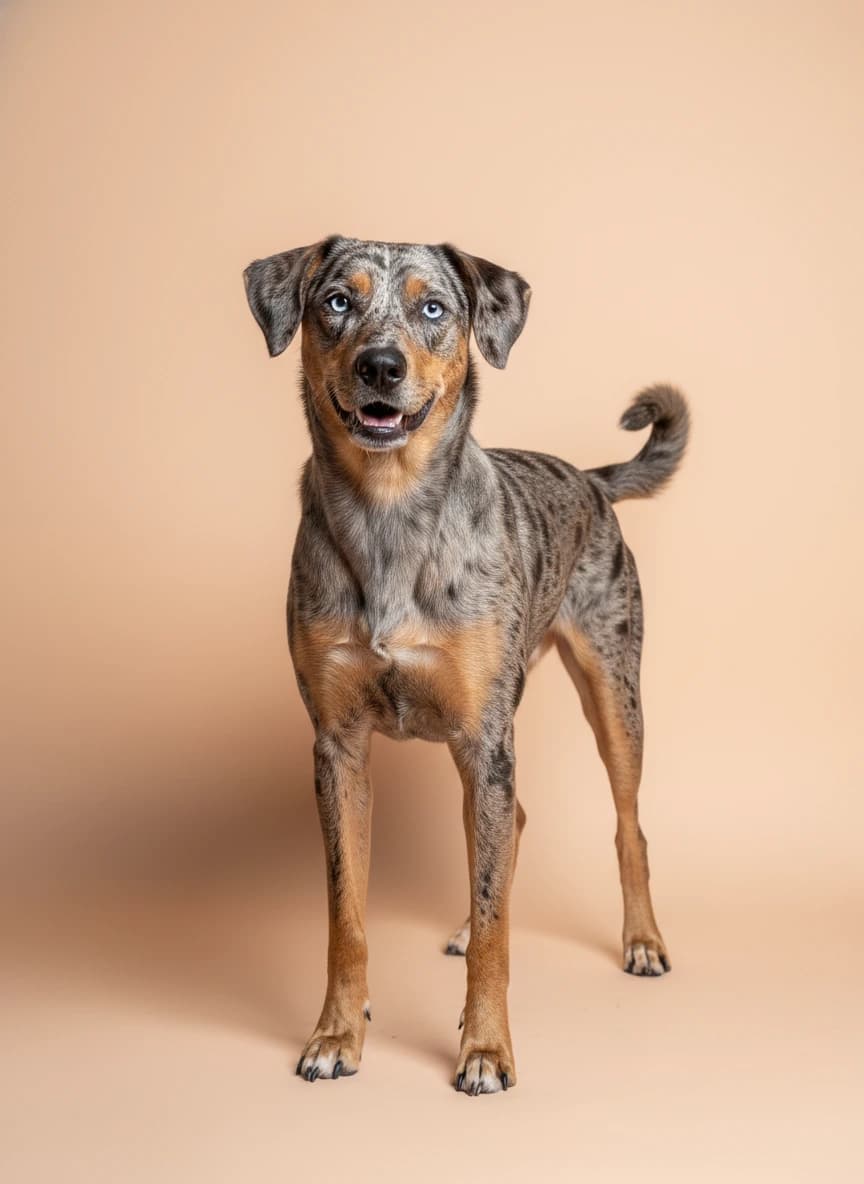
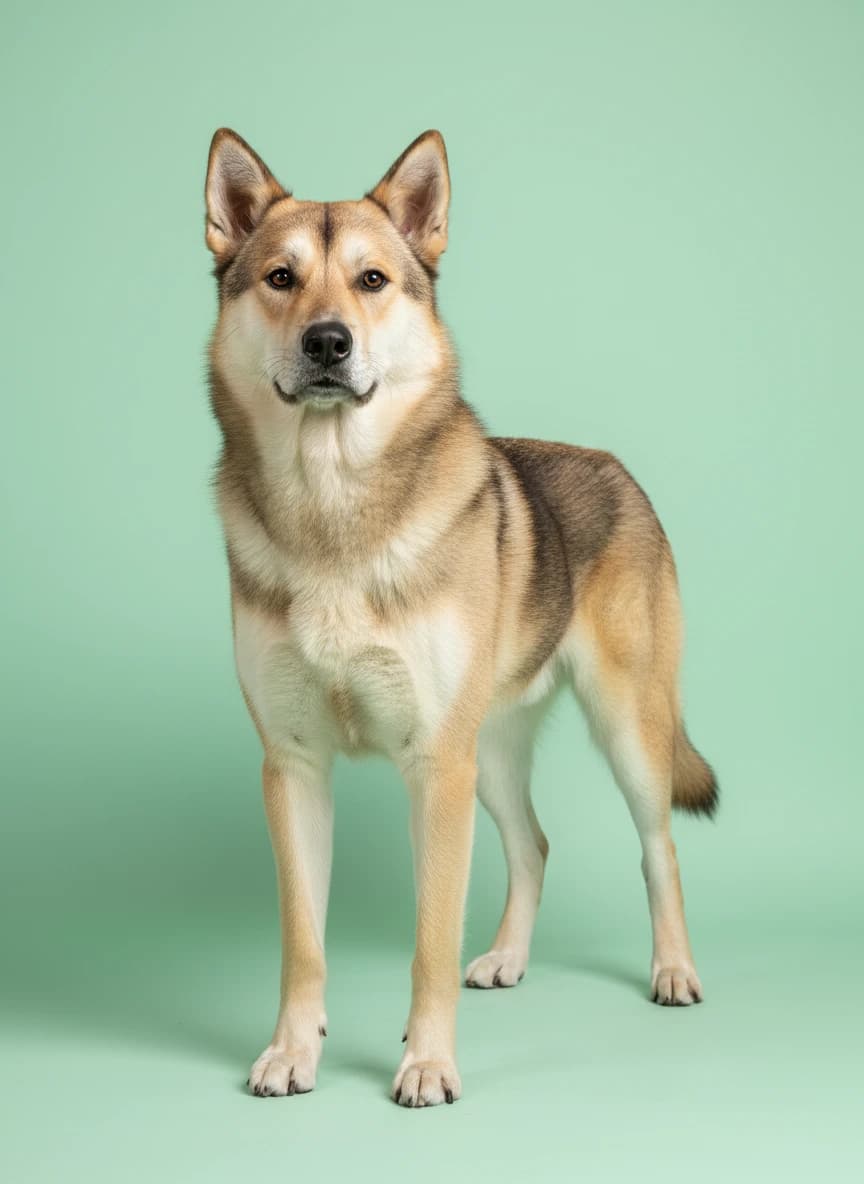
Also known as: Drentsche Patrijshond, Dutch Partridge Dog

Netherlands (Drenthe)
The Drentsche Patrijshond is a loyal and affectionate companion, always eager to be part of the family action. They possess a keen intelligence and a playful spirit, making them delightful if sometimes mischievous household members. Developed for hunting alongside their human partners, they retain a strong desire to please and thrive on engagement, be it a long walk in the woods or a game of fetch in the yard. Their gentle nature often extends to children and other pets, but their natural bird dog instincts mean a backyard squirrel can trigger an enthusiastic (and vocal) chase. This intelligent and sensitive breed forms deep bonds and truly blossoms with consistent companionship.
Common issues
Recommended screenings
Consult your trusted vet for advice specific to your dog.
The Drentsche Patrijshond is characterized by loyalty, alertness, and an eagerness to please that stems from their heritage as hunting companions. They tend to be affectionate and form deep bonds with their families, thriving on consistent companionship and engagement. Intelligence and playfulness are hallmarks of the breed, though this can manifest as mischief when their minds aren't sufficiently occupied. Their sensitive nature means they respond well to positive interactions and struggle with neglect or harsh corrections. The breed's bird dog instincts remain strong, and they may react with enthusiasm and vocalization to small animals in the yard or neighborhood.
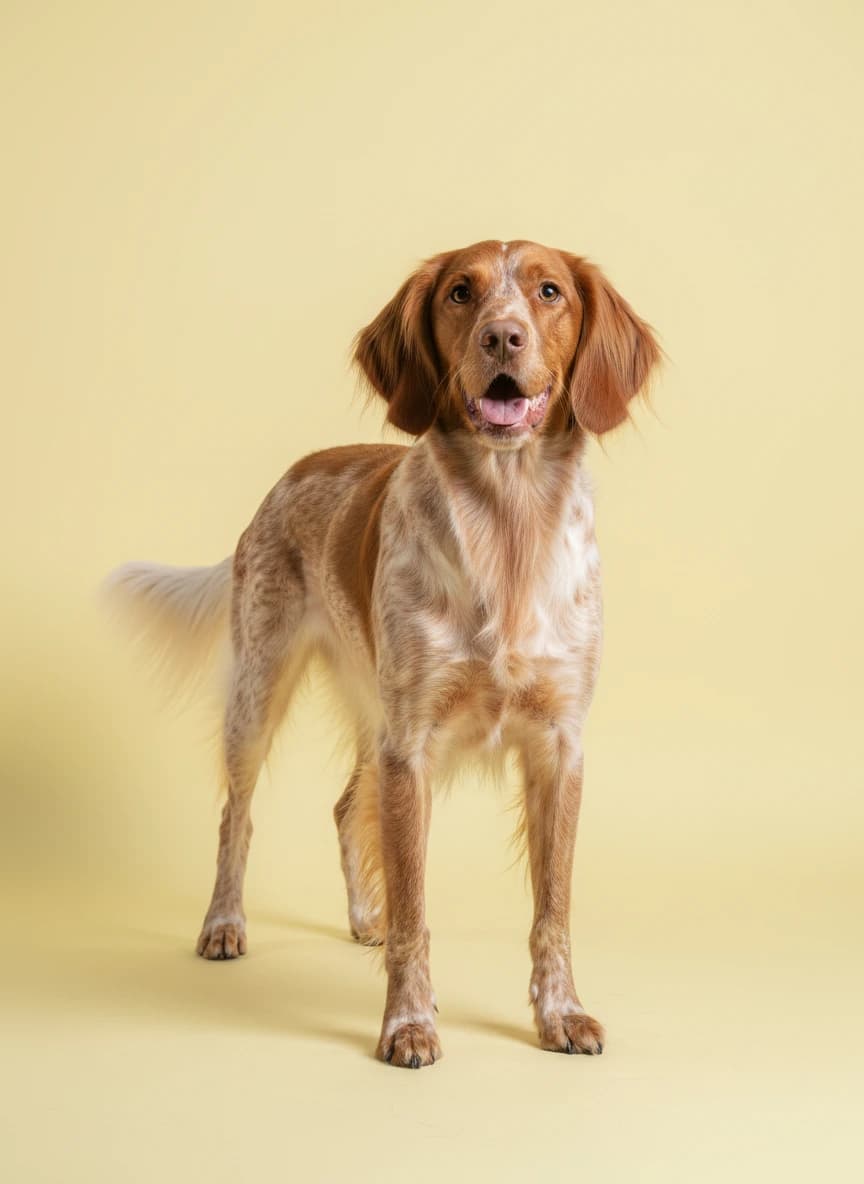
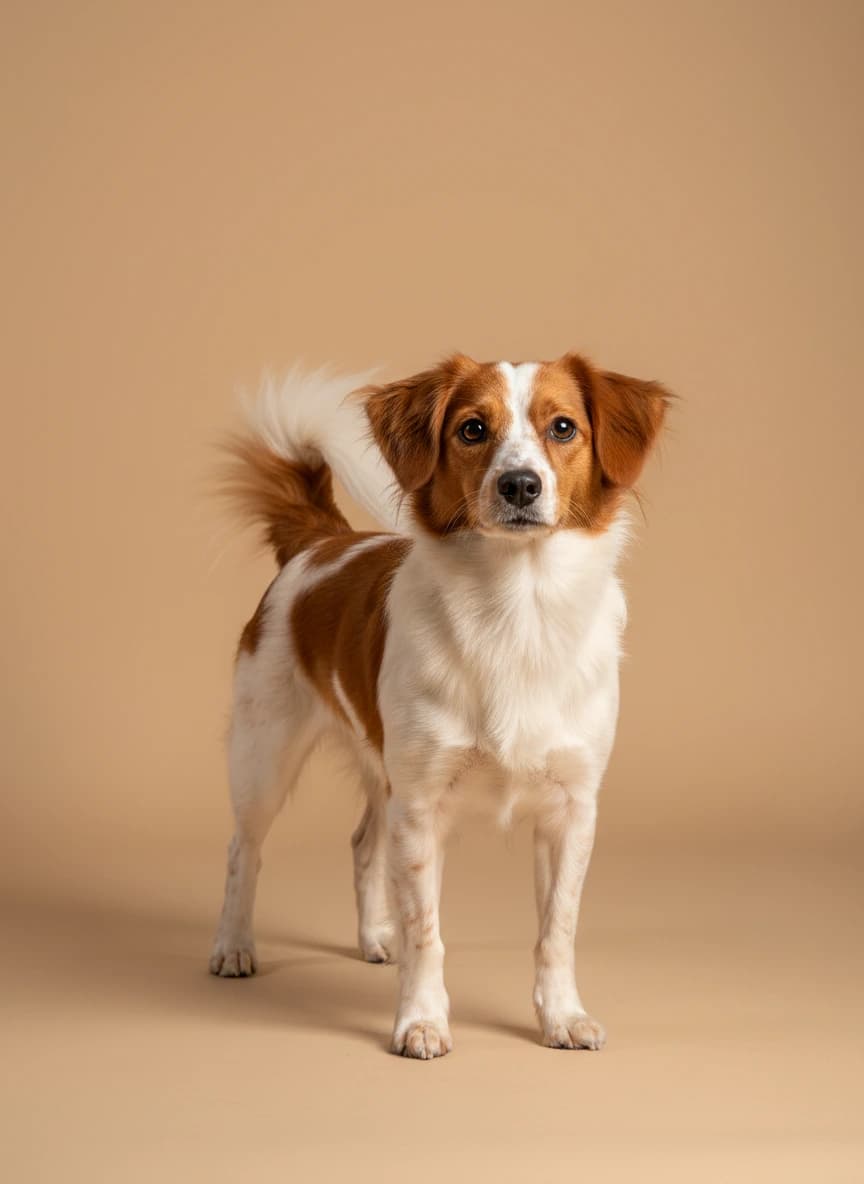
Drentsche Patrijshonds are moderately trainable and benefit from owners with some prior dog experience. Their desire to please makes them responsive to consistent, positive reinforcement-based training methods. They require moderate exercise, which can be satisfied through long walks in natural settings, woodland exploration, or yard play and fetch games. Mental stimulation is equally important—puzzle toys, scent work, and varied activities help prevent boredom and associated behavioral issues. Early socialization and ongoing training help channel their natural instincts constructively and reinforce household rules.
The breed has moderate grooming needs. Regular brushing helps manage their coat and keeps shedding under control. Routine ear checks are advisable given their heritage as active, outdoor-oriented dogs. Dental care, nail trimming, and general hygiene practices follow standard guidelines for medium to large breeds. Their active nature means they benefit from regular bathing when needed, particularly after outdoor adventures.
Drentsche Patrijshonds are capable of adapting to house living and can thrive in homes where they receive adequate attention and activity. Their gentle nature often extends to children and other household pets, though early socialization is beneficial. Their hunting background means they may have a strong prey drive toward small animals, so households with cats or other small pets should introduce them carefully and supervise interactions. The breed's vocal tendencies—barking during play or when excited about potential prey—should be considered in apartments or noise-sensitive neighborhoods. They do best as active family members rather than yard-only dogs.
A Drentsche Patrijshond is well-suited to owners with some dog experience who can provide consistent companionship, regular exercise, and mental engagement. Families who enjoy outdoor activities and have the time for training and interaction will find this breed rewarding. They are less ideal for owners seeking a low-maintenance pet or those unable to meet their need for engagement. Households where the dog can participate in daily family activities and receive regular training tend to see the breed flourish. Those with small animals should carefully consider the breed's prey drive instincts.