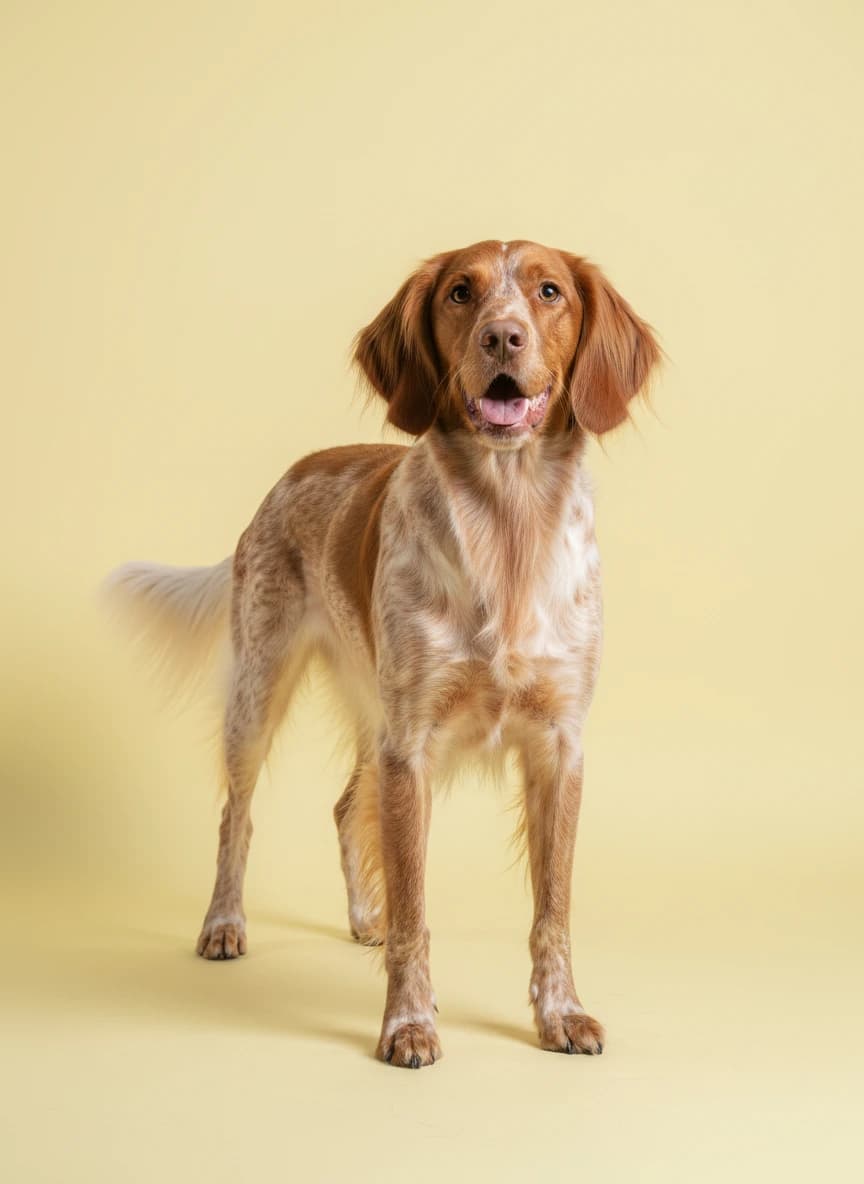
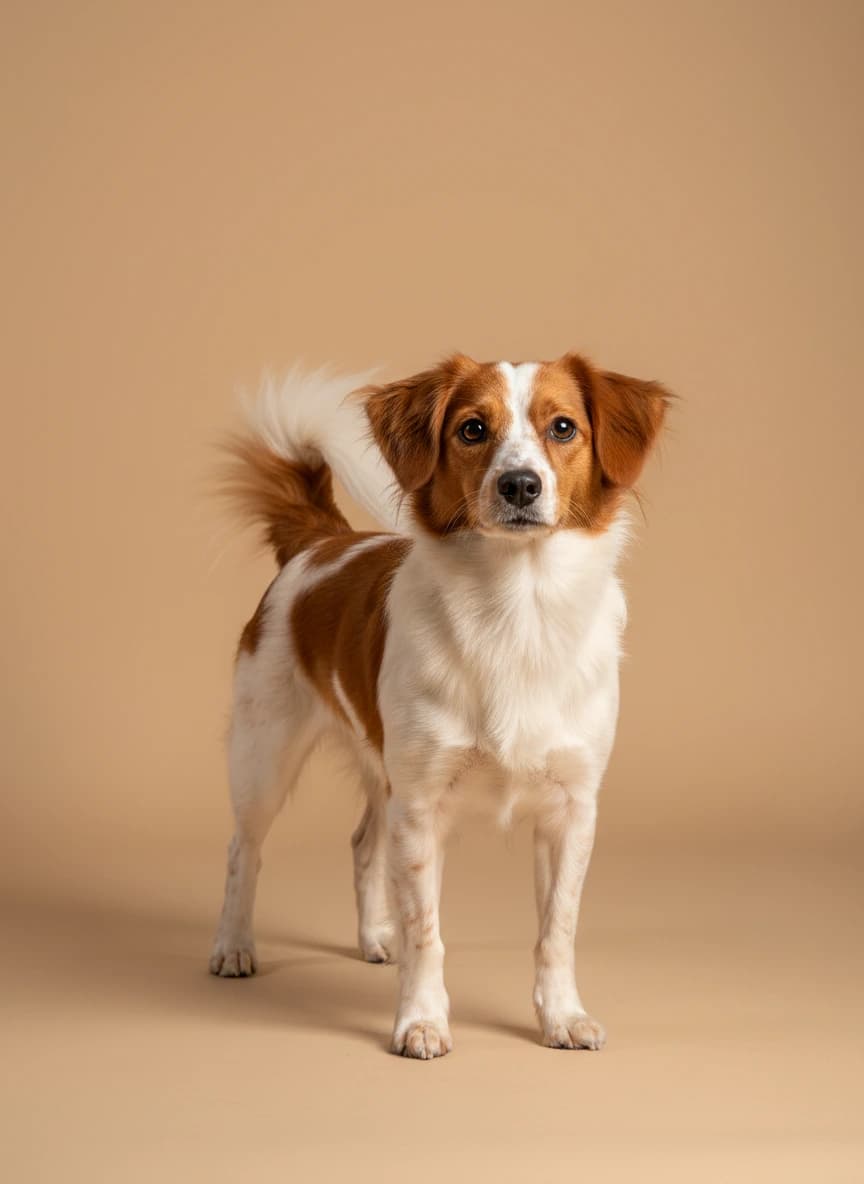
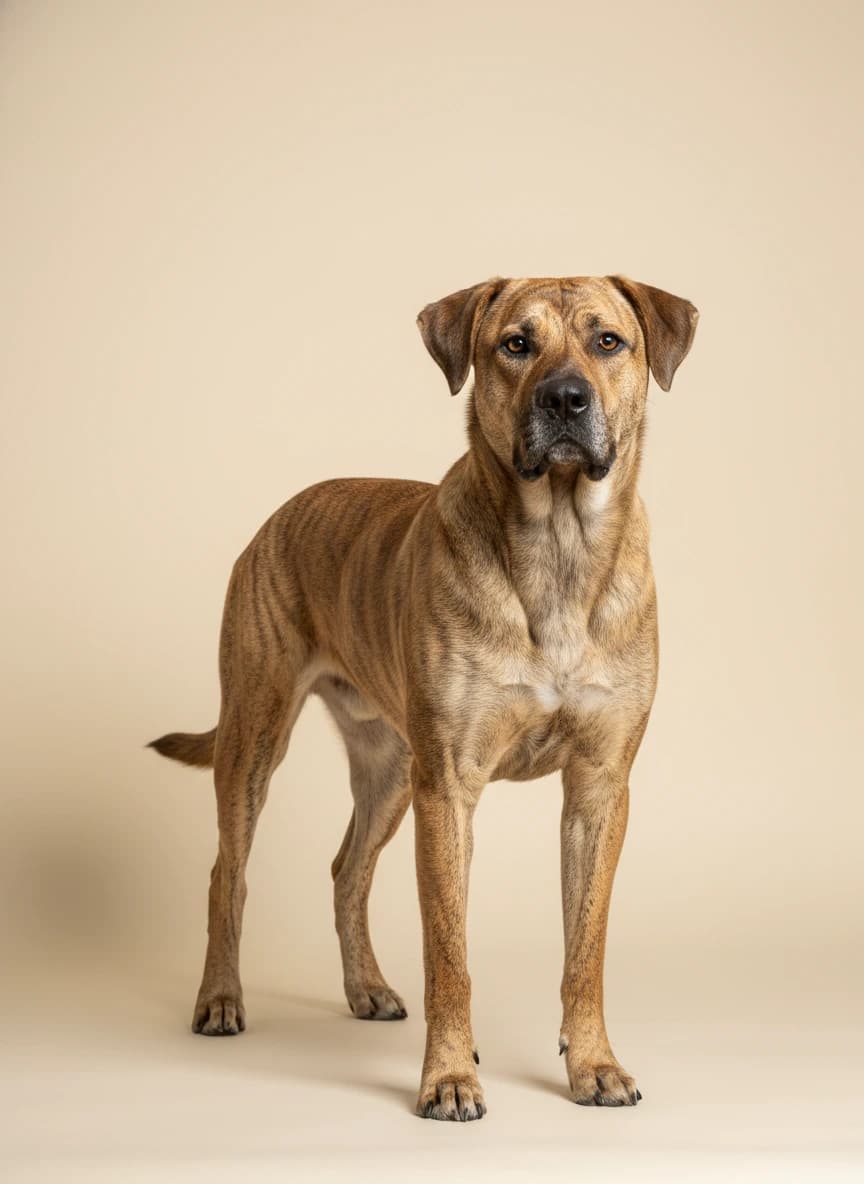
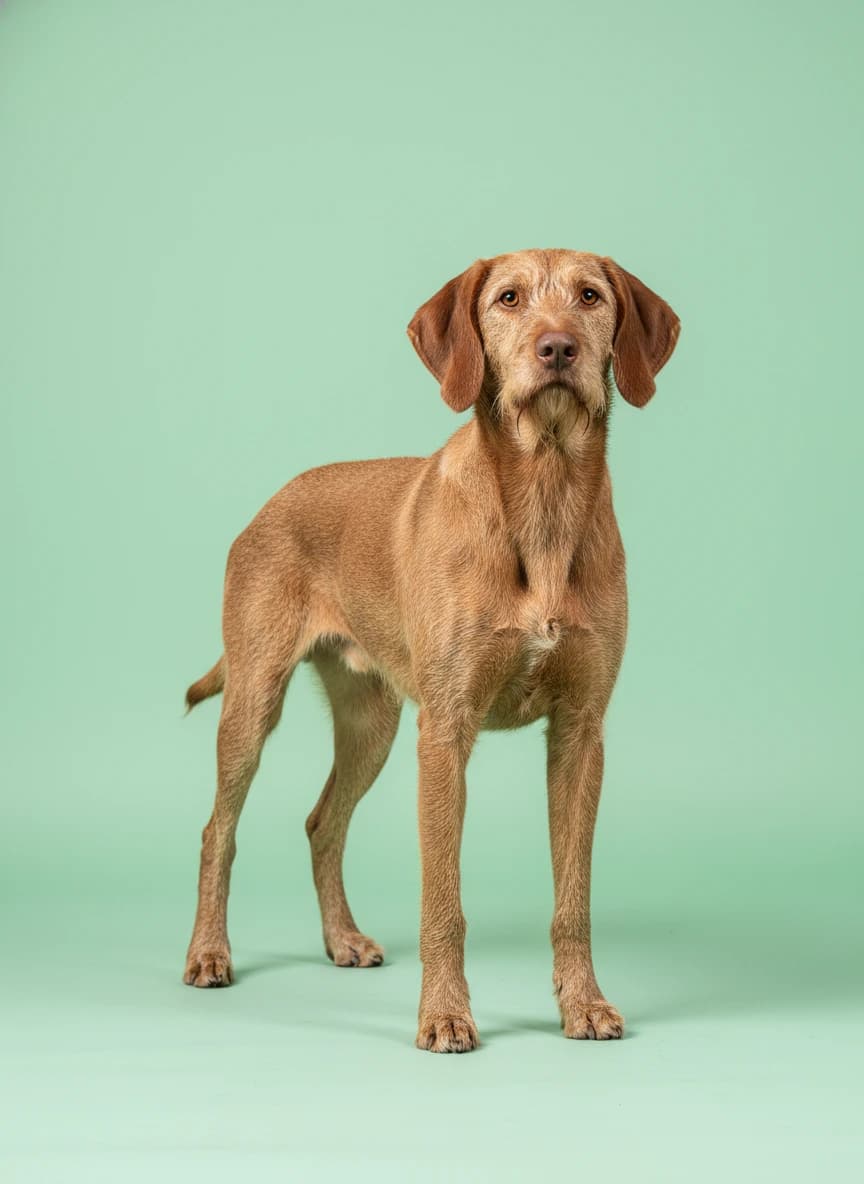
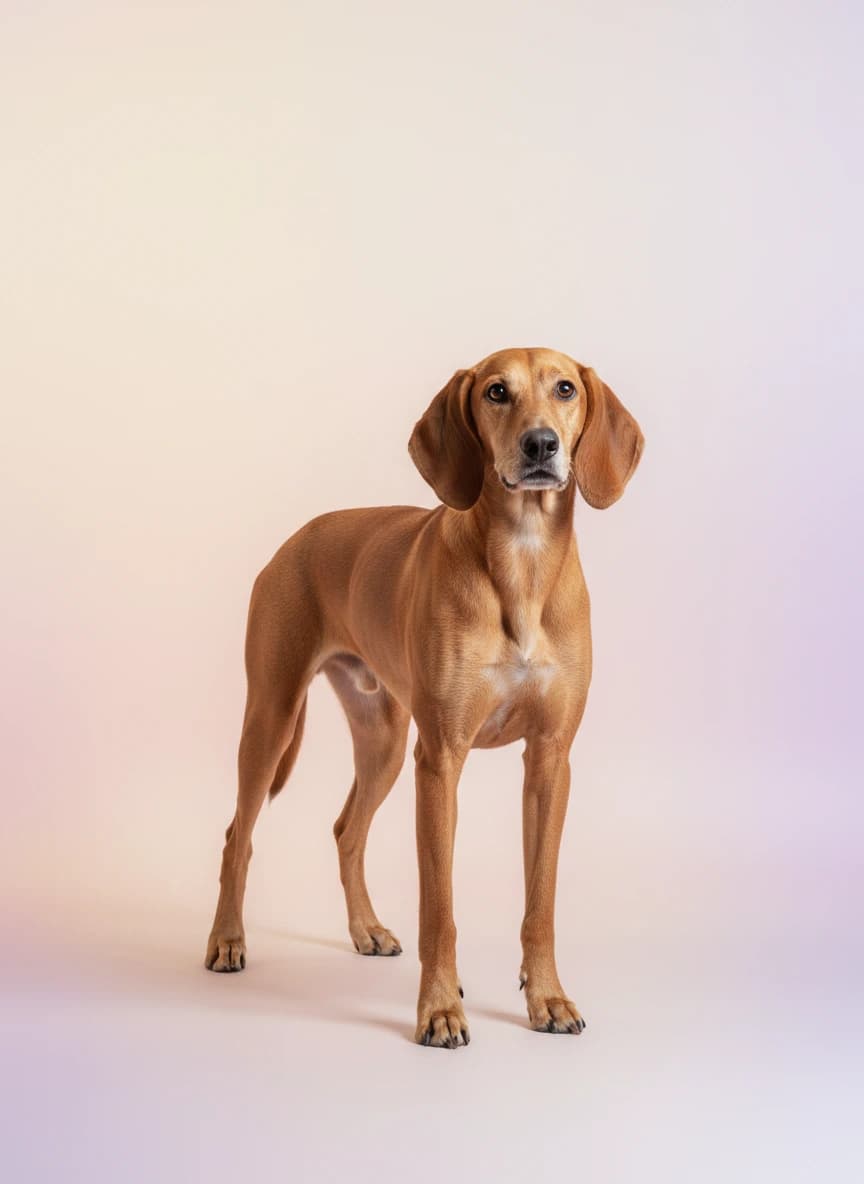
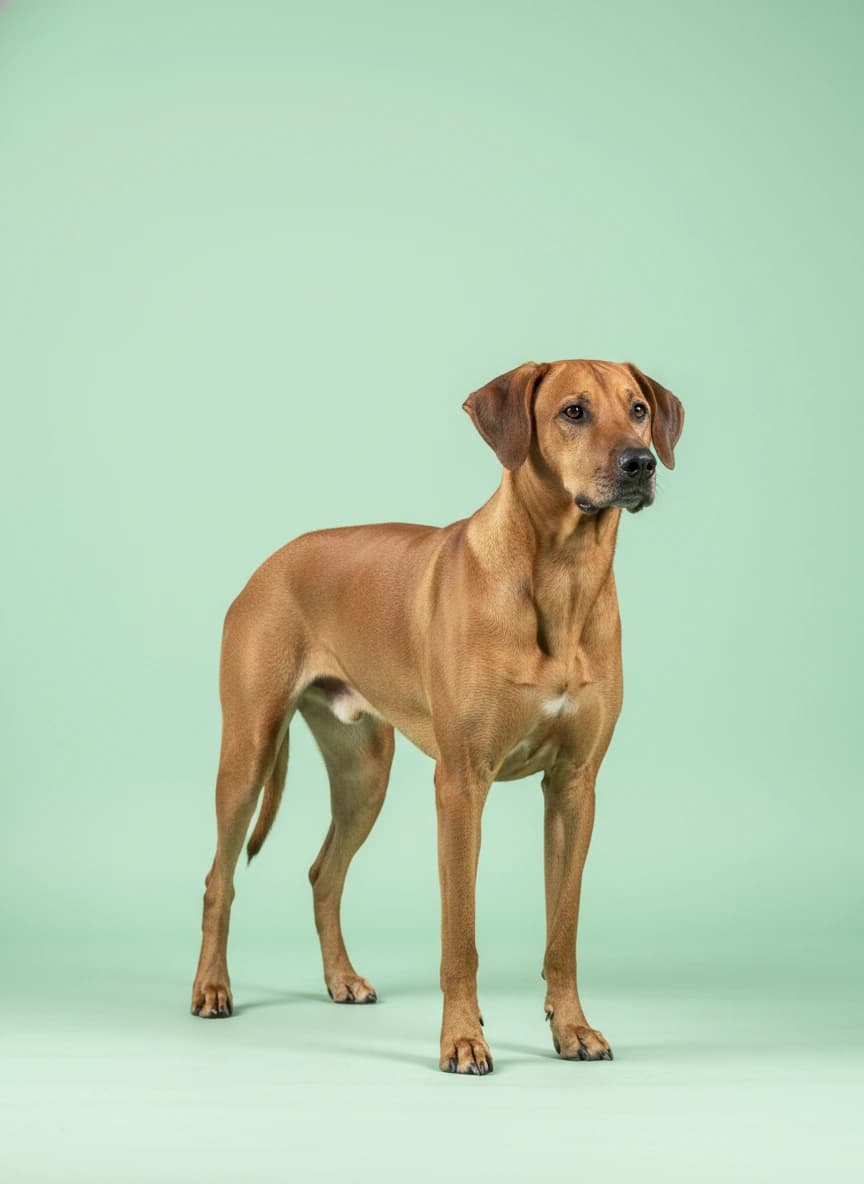
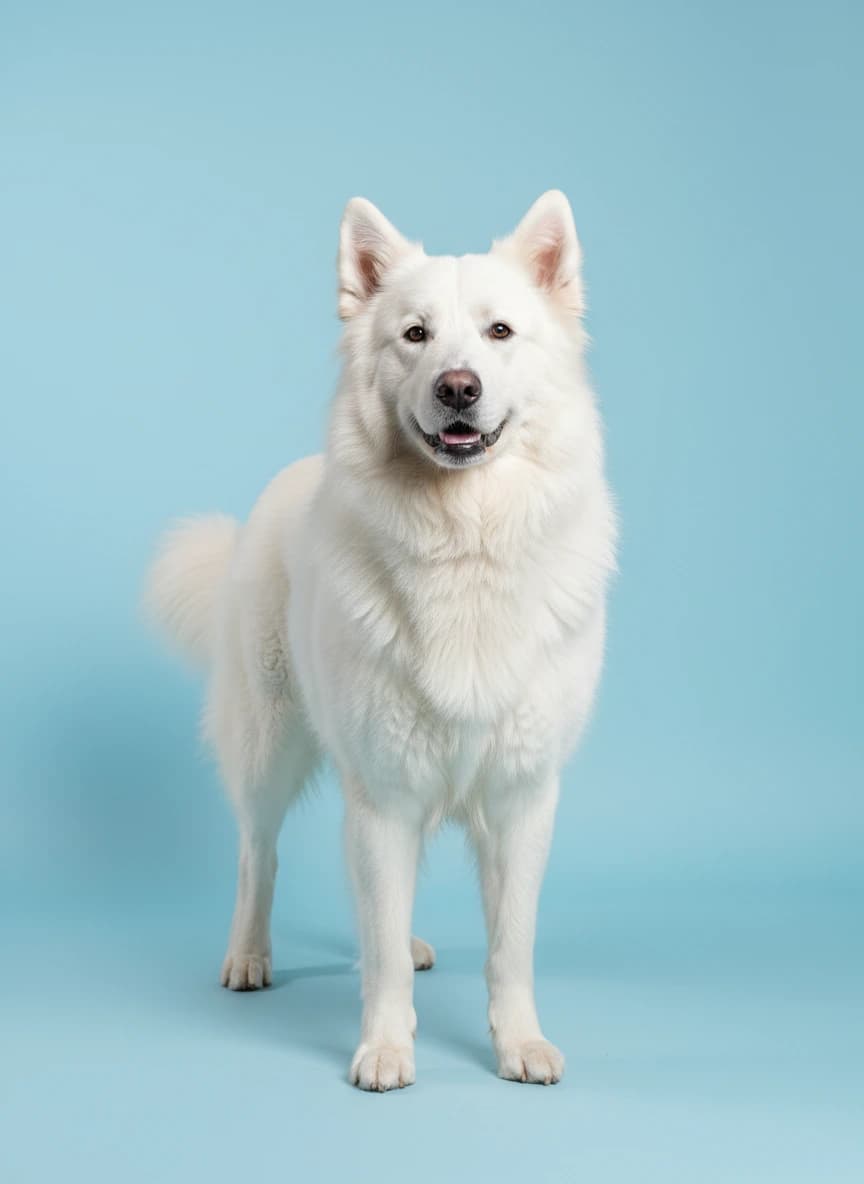
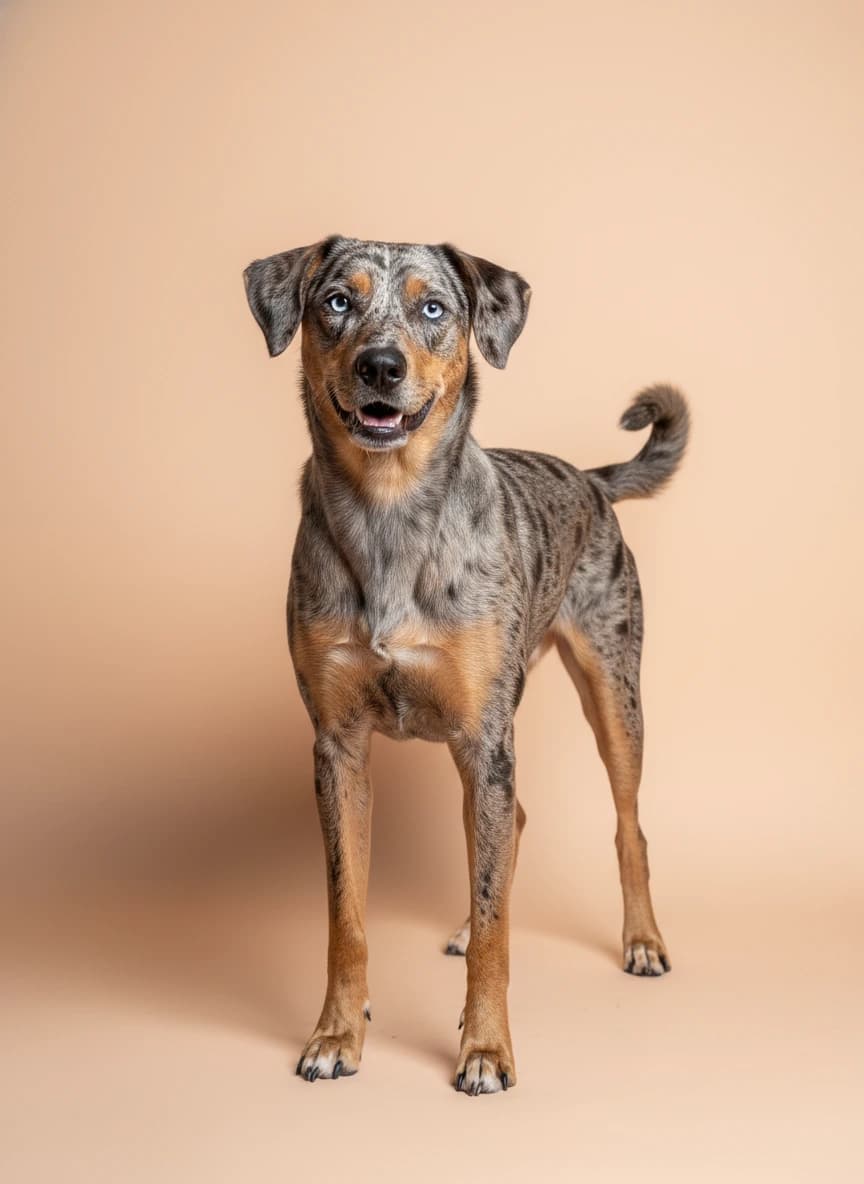
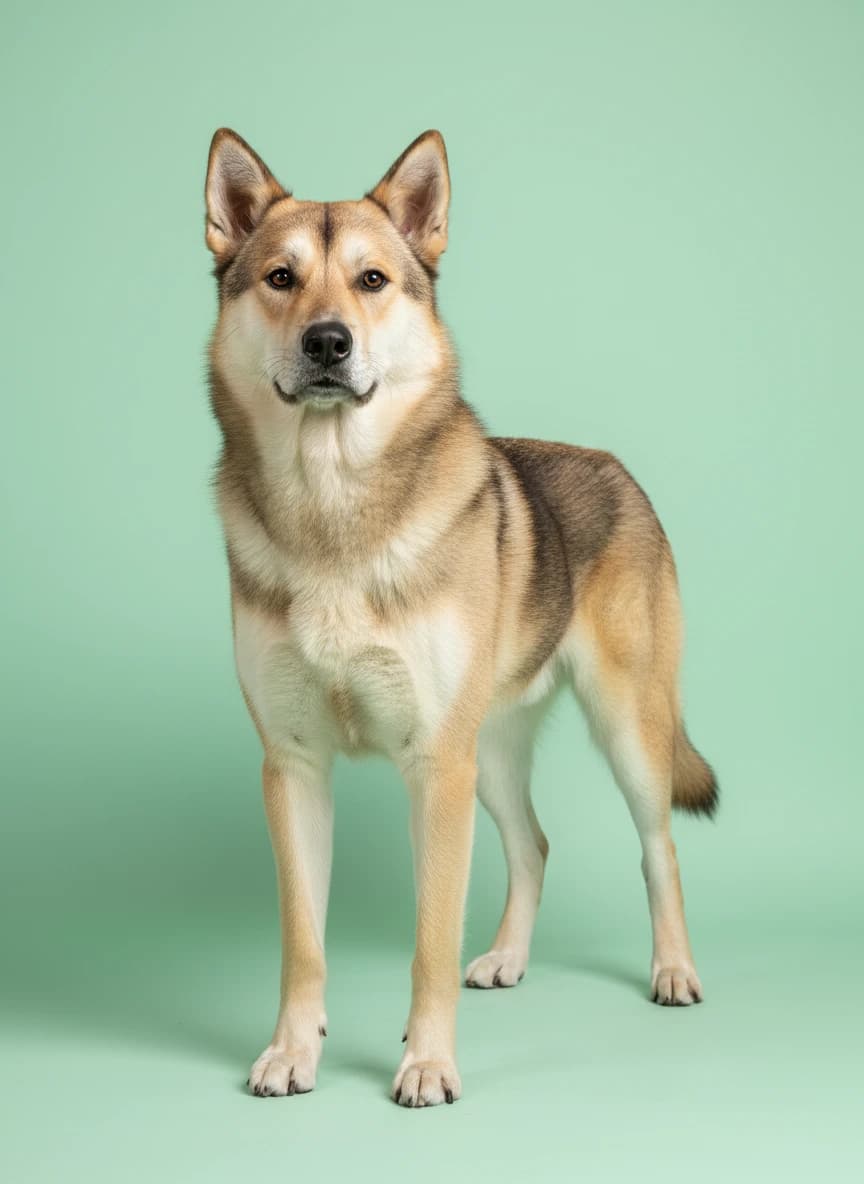
Drentsche Patrijshond
Auch bekannt als: Drentsche Patrijshond, Niederländischer Rebhuhnhund
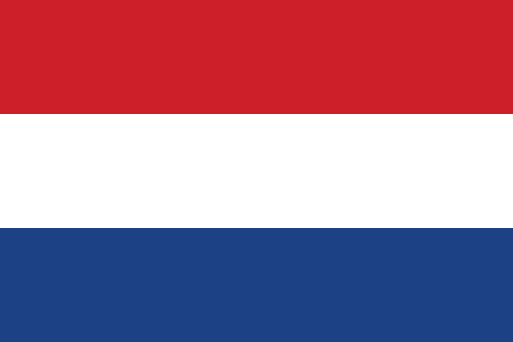 Niederlande (Drenthe)
- Lebensdauer
- 11-14 J
- Gewicht
- 18-30 kg
- Bewegung
- Mittel
Rassenprofil
- Größe
- Groß
- Rassentyp
- Rassenrein
- Trainierbarkeit
- Mittel
- Pflege
- Mittel
Beschreibung
Der Drentsche Patrijshond ist ein loyaler und liebevoller Begleiter, der immer gerne am Familiengeschehen teilnehmen möchte. Sie verfügen über einen scharfsinnigen Verstand und einen verspielten Geist, was sie zu erfreulichen, manchmal aber auch verschmitzten Familienmitgliedern macht. Ursprünglich für die Jagd an der Seite ihrer menschlichen Partner gezüchtet, bewahren sie einen starken Wunsch zu gefallen und gedeihen durch Beschäftigung, sei es ein langer Waldspaziergang oder ein Spiel Apportieren im Garten. Ihre sanfte Natur erstreckt sich oft auf Kinder und andere Haustiere, aber ihre natürlichen Vorsteh-Instinkte bedeuten, dass ein Eichhörnchen im Garten eine begeisterte (und laute) Verfolgung auslösen kann. Diese intelligente und sensible Rasse knüpft tiefe Bindungen und erblüht wirklich bei konsistenter Begleitung.
Gesundheit
Häufige Probleme
- Augenkrankheiten
- Hüftdysplasie
Empfohlene Untersuchungen
- Hüften (OFA/FCI)
- Augenuntersuchung (CAER)
Frag deine vertraute Tierarztpraxis nach einem Rat, der zu deinem Hund passt.
Wesen und Persönlichkeit
The Drentsche Patrijshond is characterized by loyalty, alertness, and an eagerness to please that stems from their heritage as hunting companions. They tend to be affectionate and form deep bonds with their families, thriving on consistent companionship and engagement. Intelligence and playfulness are hallmarks of the breed, though this can manifest as mischief when their minds aren't sufficiently occupied. Their sensitive nature means they respond well to positive interactions and struggle with neglect or harsh corrections. The breed's bird dog instincts remain strong, and they may react with enthusiasm and vocalization to small animals in the yard or neighborhood.